Are VA Home Loans Assumable? Yes, Here's How It Works
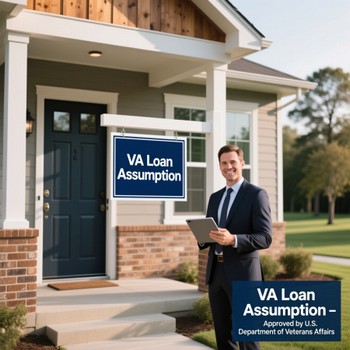 Are VA home loans assumable? Yes, and this unique mortgage option can offer significant advantages for both buyers and sellers. It's essential to understand the ins and outs of this unique mortgage option and what it can offer. This article aims to demystify the process, exploring everything from eligibility to the potential pros and cons.
Understanding how to take over an existing VA mortgage can lead to unique real estate opportunities, regardless of your status as a veteran, service member, or civilian. We'll cover what a VA loan assumption is, who qualifies, how to assume a VA loan, and the key risks to consider.
What is a VA loan assumption?
A VA loan assumption presents a unique opportunity in the realm of home financing. It allows a homebuyer to take over an existing mortgage, including its interest rate and remaining balance. Essentially, this is a mortgage backed by the Department of Veterans Affairs that a qualified buyer takes over from the current homeowner, with the original terms unchanged.
Such an arrangement can be a significant advantage, especially when interest rates are on the rise, making this option very attractive.
Definition of VA Loan Assumption
This process allows a homebuyer to take on the responsibility of an existing mortgage, particularly an assumable mortgage that can benefit veterans. The new borrower assumes the remaining balance and agrees to make payments according to the original terms.
This arrangement offers a potential advantage over securing new financing, especially if the existing VA rate is lower than what's currently available. This unique option allows qualified buyers to step into homeownership with potentially more favorable financial terms.
How VA Loan Assumption Works
The way this process works is fairly straightforward when assuming the loan, making it accessible for veterans. A borrower can take over the terms of a current loan, even if they are not eligible to qualify for one themselves. The home buyer will effectively have the same mortgage payment the home seller had.
These loans transfer the responsibility from the current homeowner to the buyer. All loans that originated on or after March 1, 1988, are not freely assumed. Buyers are subject to the lender's eligibility criteria. By assuming the mortgage, you release the original borrower from their liability.
Eligibility for VA Loan Assumption
When a mortgage of this type is assumed, the new borrower does not need to meet any military service requirements. This is because the benefit stays tied to the loan, not to the person assuming it. Non-veterans can take over the financing as long as they meet the lender’s financial standards.
Anyone who satisfies the lender’s approval criteria may complete the assumption. This can include civilians, active-duty service members, veterans, surviving spouses, and members of the Reserve or National Guard. They must show they can manage the monthly payment and meet the credit and income guidelines.
There is one important caveat. If the new borrower is not a qualified veteran with available entitlement, the original veteran’s entitlement remains tied to the loan. This can limit the veteran’s ability to use their benefit again until the assumed loan is paid off in full.
Advantages of Assuming a VA Loan
Benefits of an Assumable VA Loan
One of the most significant benefits is the potential for substantial cost savings. Buyers can save thousands of dollars on closing costs and appraisal fees. The VA funding fee for this type of assumption is lower than the fee for a regular mortgage, sitting at just 0.5% of the loan amount.
Moreover, buyers can inherit attractive interest rates that are often lower compared to what they would get on different types of new financing. A key advantage is that buyers don't need to meet military service requirements to qualify, opening this opportunity to a broader pool of individuals wanting to buy a home.
The assumption process generally comes with lower fees and fewer closing costs than a traditional home purchase. Taking over the property's financing can be a significant advantage, especially if it was obtained at a lower rate, as this will lead to reduced monthly payments and lower total interest paid over time.
Typically, assumptions don't have to go through the full origination process, which helps reduce upfront costs and improves affordability.
Lower Interest Rates and Mortgage Terms
A major advantage of this option is the potential to secure lower rates compared to prevailing market conditions for existing VA loans. Buyers inherit rates that are often more favorable compared to what they would receive on different types of new financing.
This can significantly impact housing affordability and the overall cost of homeownership. For example, if the current mortgage has a significantly lower rate than current options available, it can result in substantial savings over time.
This financing option has the potential to revolutionize the market, increasing the accessibility of homeownership. If the existing financing has favorable terms, such as a shorter repayment period, the buyer benefits from these conditions as well, especially if it involves a VA mortgage.
VA Loan Entitlement Considerations
Entitlement plays a crucial role in the assumption process, especially for the original veteran seller involved in a VA mortgage. When a borrower is able to assume the mortgage, the seller regains their full benefits.
This means that the veteran's VA entitlement is restored, and they can use it again to purchase another home, potentially through a VA assumable loan. If the new borrower has sufficient entitlement, the seller can ask to officially substitute the entitlements.
If the home buyer is a veteran with full entitlement, they can substitute theirs for the seller's, restoring the seller's benefits. Understanding how this works is essential for both the buyer and seller in the transaction.
Key Drawbacks and Risks of Assuming a VA Loan
Cons of VA Loan Assumption
While this option offers numerous advantages, it's essential to consider the cons before proceeding. Lenders are not required to approve the assumption, so there's a chance the process could be denied if the potential buyer does not meet their financial requirements.
You'll still need to meet the lender's credit and income requirements. The process can sometimes be lengthy, particularly if it requires approval from the VA office.
If the home is assumed by a civilian, the veteran's entitlement often remains tied to the mortgage until it's paid, which can limit their future purchasing power. Considering these potential drawbacks is crucial for making an informed decision when looking at this type of financing.
Impact on VA Loan Entitlement
The impact on entitlement is a significant consideration for veterans selling their homes through this process. If the person assuming your mortgage is a veteran with sufficient VA entitlement, then you can ask them to formally substitute theirs for yours on that mortgage.
If another qualified veteran uses their entitlement, the selling veteran's benefits can be restored. Failing to get a substitution can limit your 0% down purchasing power when it comes time to reuse the benefit.
It's also possible you wouldn't have enough VA entitlement remaining to reuse the benefit at all when considering a new loan. Understanding these nuances ensures veterans can make informed decisions when considering this option.
Potential Fees and Costs
When considering this process, it is important to evaluate the potential fees and costs involved. The assumption will come with a funding fee equal to 0.5% of the loan balance.
While this cost is less than the VA funding fee for new financing, it's still an added expense when considering an assumable loan. Also be prepared for costs associated with appraisals, credit checks, and administrative tasks.
Although generally lower than those associated with new financing, these costs can accumulate. Knowing these potential expenses can help buyers and sellers accurately assess the financial implications of VA loans assumable in the process. Make sure you discuss these fees with your real estate agent, especially in relation to any home equity loans involved.
How to Assume a VA Home Loan
Steps to Assume a VA Loan
As a borrower seeking to take over this type of mortgage, the first step is to determine whether you meet the military service requirements for a VA assumable loan. If you aren't a qualified veteran, you'll need to qualify based on your financial situation.
The lender will require paperwork from you that verifies your income, outstanding debts, and creditworthiness. If approved, you will need to sign off on the process, plus pay the funding fee and any required down payment.
Veterans and civilians who want to proceed first need to find homes with this option. For the assumption process, contact the lender or servicer that made the original loan.
Finding Assumable VA Loans
To find a mortgage to assume, ask your real estate agent to help you find homes with sellers who are willing to allow you to take over their existing financing. Talk to a real estate agent who has access to the MLS to find homes with this option.
Checking the local ads could help you spot a deal. Consider looking on websites like TakeList.com or Zumption.com to find sellers willing to undergo the process of transferring an assumable mortgage.
Search online real estate agent listings, as some sellers highlight this option in their listings to attract buyers on major home listing sites. When trying to buy a home with assumable financing, research is essential to understand your VA entitlement.
Working with Lenders
Instead of shopping around for the best available interest rate, you'll work with the seller's lender to prove your creditworthiness. You may need to meet different financial requirements when working with different lenders.
Ensure that you understand the lender's requirements and provide all necessary documentation promptly. Working closely with the lender will streamline the process and increase your chances of approval.
This scenario differs from new financing, where you might shop around for the best mortgage rates, particularly with FHA loans or VA loans to assume. Being proactive and responsive is key when navigating the complexities of assumable mortgages.
Frequently Asked Questions About VA Loan Assumption
Are VA home loans assumable?
Yes. VA home loans originated on or after March 1, 1988 are assumable, but the buyer must qualify with the lender. Buyers do not need to be veterans or have VA eligibility unless they want to substitute their entitlement.
Can a non-veteran assume a VA loan?
Yes. Non-veterans, civilians, and active-duty service members can assume a VA loan if they meet the lender's credit, income, and debt-to-income requirements. The VA does not require military service for assumption.
What happens to the seller's VA entitlement after an assumption?
If the buyer is a non-veteran or a veteran who does not substitute their entitlement, the seller's VA entitlement remains tied to the loan until it is paid in full. If the buyer is a veteran with sufficient entitlement, they can substitute it, restoring the seller's benefits.
How much is the VA assumption funding fee?
The VA funding fee for a loan assumption is 0.5% of the loan balance. This is lower than the funding fee for a new VA purchase loan.
How do I find assumable VA loans?
Ask your real estate agent to search MLS listings for assumable VA loans. You can also check online marketplaces like TakeList.com or Zumption.com, and look for listings that mention assumable financing.
Conclusion: Weighing the pros and cons of VA loan assumption
Final Thoughts on VA Loans: They Are Assumable
VA home loans are assumable. This feature creates unique opportunities for both buyers and sellers in the real estate market, particularly with assumable mortgages.
Understanding the intricacies of the process allows for informed decisions and potential financial benefits. Whether you're a veteran looking to restore your entitlement or a civilian seeking favorable interest rates, exploring this option can be a smart move.
Making an Informed Decision
Take the time to weigh the advantages and disadvantages of this mortgage option before diving in. Consider the pros and cons, especially regarding VA entitlement implications when assuming the loan.
Understand all associated fees and how they might affect your long-term financial goals, particularly with home equity considerations. By carefully assessing your circumstances and the terms of the loan, you can confidently decide if this option aligns with your needs.
Resources for Further Information
Consult financial advisors, real estate professionals, or VA specialists to gain a deeper understanding of the assumption process. Explore official VA resources and publications to stay informed about eligibility requirements and loan terms.
By leveraging these resources, you can navigate the complexities of this financing option and make informed decisions about your homeownership journey. Gathering comprehensive information is key.
Connect With Us
Please share – it really helps