How Does a VA Loan Work When Buying a House?
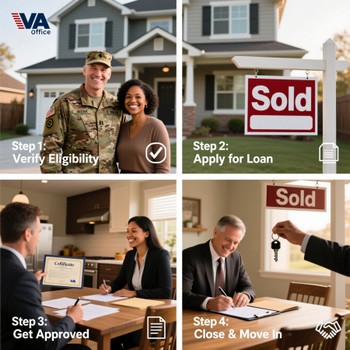 If you are wondering how a VA loan works when buying a house, the short answer is this: the Department of Veterans Affairs guarantees part of your mortgage, which lets lenders offer no down payment, no private mortgage insurance, and competitive rates to eligible veterans, active-duty service members, and surviving spouses. The process runs from your Certificate of Eligibility to your VA appraisal to closing day. This guide walks you through each step so you know exactly what to expect.
What Makes a VA Loan Different From Other Home Loans
A VA loan is a mortgage backed by the Department of Veterans Affairs, designed specifically for veterans, active-duty service members, and eligible surviving spouses. Unlike conventional loans or FHA loans, VA home loans offer unique advantages that make homeownership more accessible and affordable.
The VA loan program operates through a guaranty system where the government backs a portion of the loan, reducing risk for lenders. This guarantee allows lenders to offer more flexible terms and competitive rates to qualified borrowers. Veterans can use a VA loan to purchase single-family homes, multiunit properties, manufactured homes, and even construction loans for building new homes.
VA Loan Eligibility Requirements
To qualify for a VA home loan, borrowers must meet specific eligibility requirements set by the Department of Veterans Affairs. The primary requirement involves military service verification through a Certificate of Eligibility document issued by the VA.
Active-duty service members become eligible after serving 90 consecutive days during wartime or 181 days during peacetime. Veterans must have served for specific periods, depending on when they served, with requirements varying for different conflicts and time periods. National Guard and Reserve members typically need six years of service to qualify.
Surviving spouses of veterans who died in service or from service-connected disabilities may also be eligible for VA loan benefits. These spouses must meet specific criteria and cannot have remarried to maintain eligibility. For more detail, see our guide to VA loan surviving spouse requirements.
Beyond military service requirements, borrowers must demonstrate sufficient income to make mortgage payments and meet basic credit score guidelines; however, VA loan eligibility requirements remain more lenient than conventional loan standards. You can review VA credit score requirements and income requirements for a complete picture.
Types of VA Loans Available to Veterans
The VA loan program offers various types of loans to meet different homebuying and refinancing needs. Understanding these options helps veterans select the most suitable financing solution for their specific situation.
VA Purchase Loans
Purchase loans represent the most common type of VA loan, allowing veterans to buy a home with a VA loan and no down payment required. These loans can finance up to 100% of the home's value, making homeownership accessible even for buyers without significant cash savings. Learn more on our VA purchase loan page.
Veterans can use VA purchase loans for primary residences, including single-family homes, townhouses, condominiums, and manufactured homes that meet VA property requirements. The loan can also finance multiunit properties up to four units, provided the veteran lives in one unit as their primary residence.
VA Cash-Out Refinance Loans
Cash-out refinance loans allow homeowners to refinance their existing mortgage and take cash from their home's equity. Veterans can use this option to access funds for home improvements, debt consolidation, or other financial needs. See our VA cash-out refinance guidelines for details.
The cash-out refinance option is compatible with both VA loans and non-VA mortgages, providing veterans with flexibility to convert conventional or FHA loans into VA loans while accessing their equity. This type of refinance typically requires higher credit scores and more stringent underwriting compared to purchase loans. Try our cash out refinance calculator
VA Interest Rate Reduction Refinance Loan (IRRRL)
The VA streamline refinance program, known as IRRRL, helps veterans lower their interest rates or convert adjustable-rate mortgages to fixed-rate loans. This refinancing option requires minimal documentation and no new appraisal in most cases for a VA mortgage. You can also read our full IRRRL guide.
Veterans can use IRRRL to refinance existing VA loans with reduced paperwork and faster processing times. The program focuses on providing borrowers with clear financial benefits, typically requiring payment reductions or increased loan stability.
- Veterans can refinance with minimal documentation requirements
- No new appraisal needed in most cases
- Must demonstrate clear financial benefit from refinancing
How the VA Loan Process Works Step by Step
Understanding the VA loan process helps veterans prepare for homebuying and work effectively with lenders. The process involves several key steps that differ from conventional loan procedures.
Step 1: Getting Your Certificate of Eligibility
The first step involves obtaining a Certificate of Eligibility from the VA, which documents your qualification for the loan program. Veterans can apply online through the VA website, work with their lender to request the certificate, or submit paper applications by mail.
The certificate process typically takes several days to several weeks, depending on the application method and the complexity of your service history. Veterans should obtain this document early in their homebuying process to avoid delays later on.
Lenders can also help verify eligibility through automated systems, though having the physical certificate can streamline the application process and provide backup documentation.
Step 2: Finding a VA-Approved Lender
Not all mortgage lenders participate in the VA loan program; therefore, veterans must work with VA-approved lenders who understand the program's requirements and guidelines. These lenders have agreements with the VA and experience in efficiently processing VA loans.
Veterans should compare offers from multiple VA-approved lenders to find the best rates and terms for a home with a VA loan. Different lenders may offer varying interest rates, fees, and service levels, making comparison shopping valuable for securing optimal financing. You can also review our guide on whether VA loan rates are the same at all banks.
The lending specialist should provide clear information about VA loan benefits, requirements, and the application process for a VA loan. Experienced VA lenders can guide veterans through potential challenges and help maximize the loan benefits.
Step 3: Pre-Approval and Application
Getting pre-approved for a VA loan gives veterans power in the housing market and helps determine their budget. The pre-approval process involves submitting financial documents, including income verification, credit reports, and asset statements, to verify your financial information.
Lenders review the borrower's financial profile to determine the loan amount qualification and estimate the interest rate. Pre-approval letters demonstrate to sellers that buyers have a serious financing capability, which is critical in competitive housing markets. For a full walkthrough, see our guide on getting approved for a VA loan.
The formal application process requires additional documentation and triggers an underwriting review, during which lenders evaluate all aspects of the loan request in accordance with VA guidelines and their own lending standards. Our overview of the underwriting process explains what happens next.
Step 4: Making an Offer With a VA Escape Clause
Once you are pre-approved and find a home, you make an offer. VA purchase contracts include a VA escape clause, sometimes called the VA amendatory clause, which protects you if the home does not appraise for the agreed-upon price. If the VA appraisal comes in low, you can renegotiate, ask the seller to lower the price, or walk away and get your earnest money back.
Sellers sometimes view VA offers as more complex, so it helps to work with a real estate agent who has closed VA transactions before. An experienced agent can explain the escape clause and the VA appraisal timeline to the seller, which keeps the deal moving. You can read more about what can derail a deal in our article on what would make a VA loan fall through.
Step 5: The VA Appraisal and Notice of Value
After your offer is accepted, your lender orders a VA appraisal. A VA-approved appraiser determines the property's fair market value and checks that it meets the VA's minimum property requirements. When the appraisal is complete, the VA issues a Notice of Value, which states the property's value and confirms whether it meets VA standards.
If the appraised value is lower than your purchase price, the VA escape clause lets you renegotiate or exit the contract. The appraisal also may require repairs before closing, such as fixing peeling paint, repairing a roof, or addressing safety hazards. Our guide to VA home loan inspection requirements covers what appraisers look for, and you can also review whether inspections are required for VA loans.
Step 6: Underwriting, Closing, and Moving Day
While the appraisal is underway, your file moves through underwriting. The underwriter verifies your income, assets, credit, and employment, and checks that the property meets VA guidelines. Once all conditions are cleared, you receive your clear to close, which means the lender is ready to fund the loan.
At closing, you sign your final loan documents and pay any remaining closing costs. The VA funding fee, if applicable, can be financed into the loan. After closing, the loan funds, the seller receives payment, and you get the keys. Our VA loan closing process guide explains each document you will sign.
VA Loan Benefits That Make Homeownership Easier
VA loans offer numerous benefits that make homeownership more accessible and affordable for veterans and their families. These advantages often make VA loans the optimal choice for qualified borrowers.
No Down Payment Requirement
The most significant benefit of VA loans is the ability to purchase a home with a zero-down payment. This feature enables veterans to achieve homeownership without accumulating considerable cash savings, thereby removing a significant barrier to buying a home.
While veterans can make down payments if they choose, the program doesn't require any minimum down payment amount. This benefit applies to loan amounts up to the VA loan limit in each area, which varies by county based on local housing costs. See our minimum down payment page for details.
The no-down-payment feature helps veterans obtain a VA loan more quickly and preserves their funds for other expenses, such as moving costs, home improvements, or emergency reserves.
No Private Mortgage Insurance
VA loans don't require private mortgage insurance, even with a zero down payment. Conventional loans typically require PMI when buyers put down less than 20%, adding significant monthly costs to mortgage payments.
This benefit can save veterans hundreds of dollars monthly compared to conventional loans with similar loan amounts when they apply for a VA loan. The savings continue throughout the loan term, as PMI requirements don't apply to VA loans regardless of the loan-to-value ratio. For a full comparison, see does a VA home loan have PMI.
The elimination of PMI makes VA loans particularly attractive for veterans who want to minimize monthly housing costs and maximize their purchasing power.
Competitive Interest Rates
VA loans typically offer lower interest rates compared to conventional mortgages, saving veterans thousands of dollars over the life of the loan. The government guarantee reduces lender risk, allowing them to offer more competitive pricing to qualified borrowers.
Lower rates mean reduced monthly payments and significant long-term savings on interest costs. Even minor rate differences can translate to substantial savings over 15- or 30-year loan terms.
Veterans should compare VA loan rates with other mortgage options to understand the potential savings and make informed decisions about financing. You can also review our advantages of a VA loan overview.
- Lower monthly payments due to competitive VA mortgage rates.
- Significant long-term interest savings
- Government backing reduces lender risk
VA Loan Limits and Funding Fees
Understanding VA loan limits and funding fees helps veterans plan their homebuying budget and evaluate total loan costs. These factors influence the amount veterans can borrow and the upfront costs associated with their loans.
VA Loan Limits by Location
VA loan limits determine the maximum amount veterans can borrow without making a down payment. These limits vary by county and reflect local housing costs, with higher limits in areas with higher housing costs. See our VA loan limits for 2026 and use the loan limits lookup calculator to check your county.
For 2026, the baseline VA loan limit aligns with the Federal Housing Finance Agency's conforming loan limit for eligible veterans. However, veterans with full entitlement can often borrow above these limits by making down payments on the excess amount.
Veterans should check current loan limits for their target areas to understand their purchasing power and potential down payment requirements for higher-priced homes. For high-cost areas, review our VA jumbo loan guidelines.
Using VA Loan Entitlement
Each veteran receives basic entitlement that can be used for VA loans, with additional entitlement available in higher-cost areas. Veterans can restore their entitlement by paying off existing VA loans, allowing them to reuse the benefit for future home purchases. See what basic entitlement means on a VA loan for a full explanation.
Veterans who still have existing VA loans can often use remaining entitlement for additional purchases, though this typically requires down payments and more complex calculations. For more on this, read is there a maximum VA loan amount.
Understanding entitlement helps veterans plan multiple home purchases throughout their lives and maximize the benefits of their military service.
VA Funding Fee Structure
The VA funding fee represents a one-time cost that helps fund the loan program for future veterans. This fee varies based on the loan type, down payment amount, and whether the veteran has previously used VA loan benefits.
First-time VA loan users typically pay lower funding fees than subsequent users of the VA loan program. Veterans who make down payments of 10% or more receive reduced funding fee rates, providing an incentive for larger down payments when financially feasible.
Veterans with service-connected disabilities rated at 10% or higher are exempt from VA funding fees, providing additional benefits for disabled veterans. Surviving spouses receiving Dependency and Indemnity Compensation also qualify for fee exemptions.
The funding fee can be included in the loan amount, allowing veterans to avoid an upfront payment while spreading the cost over the loan term. This option helps preserve cash at closing while still allowing you to access VA loan benefits. Read our guide on whether the VA funding fee can be rolled into the loan.
Try our funding fee Calculator
Closing Costs and Other Fees
VA loans limit the types of closing costs that veterans can pay, with restrictions on specific fees that private lenders might charge. Veterans are exempt from paying services such as underwriting fees, processing fees, or document preparation charges. See our full list of VA closing costs.
Sellers can pay all closing costs for veterans, and many VA loan transactions include seller concessions to cover these expenses related to a home with a VA loan. This arrangement further reduces the cash needed at closing and makes homeownership more accessible. Learn more about do sellers pay closing costs.
Veterans should work with experienced real estate agents and lenders who understand VA loan guidelines to structure deals that maximize cost savings and minimize out-of-pocket expenses. Our guide to gift funds on VA loans and earnest money deposits can also help you plan.
Comparing VA Loans to Conventional and FHA Options
Understanding how VA loans compare to other mortgage options helps veterans make informed decisions about financing. Each loan type offers different benefits and requirements that may suit different borrower situations.
VA Loans vs. Conventional Mortgages
Conventional loans typically require higher credit scores and larger down payments compared to VA loans. Most traditional loans need at least 3% down payment, with 20% required to avoid PMI costs.
VA loans offer more flexible credit guidelines and don't require a down payment, making them accessible to a broader range of veterans. The government backing also allows lenders to approve borrowers who might not qualify for conventional financing.
Interest rates on VA loans often run lower than those on conventional loans, although individual pricing depends on factors such as credit scores, loan amounts, and market conditions. Veterans should compare actual rate quotes to determine the best option for their situation. See our comparison of the difference between a VA loan and a conventional loan.
Conventional loans typically don't have funding fees but may include origination fees and other costs that are not restricted by VA loans. The total cost comparison should consist of all fees, interest rates, and insurance requirements.
VA Loans vs. FHA Loans
FHA loans require smaller down payments than conventional loans, but still need at least 3.5% down. They also require both upfront and annual mortgage insurance premiums throughout most of the VA mortgage term. See our VA loan vs FHA loan comparison.
VA loans eliminate both down payment and mortgage insurance requirements, often making them more affordable than FHA options for qualified veterans. The combination of zero down payment and no insurance can provide significant monthly savings.
FHA loans have more flexible credit requirements than conventional loans, but may still be more restrictive than VA guidelines. Veterans with credit challenges might find VA loans more accessible than other government-backed programs.
Both loan types offer competitive interest rates; however, VA loans often provide slightly better pricing due to the government-guaranteed structure and veteran-specific benefits available to eligible VA applicants. You can also compare VA loans vs USDA loans if you are considering a rural property.
Special Considerations for Veterans
Veterans should consider their long-term housing plans when choosing loan types. VA loan benefits include the ability to assume the loan for qualified buyers, potentially making future home sales easier in a rising rate environment. See our page on whether VA loans are assumable.
The VA loan program also allows for easier qualification for subsequent purchases, as veterans can restore and reuse their entitlement throughout their lifetime. This flexibility provides ongoing benefits beyond the initial home purchase.
Veterans with disabilities should consider VA loans in particular, as they offer funding fee exemptions and potentially more accommodating property requirements for accessibility modifications.
- Loan assumption capabilities benefit future sales
- Entitlement restoration allows repeated use
- Disability exemptions provide additional savings
Tips for Maximizing Your VA Loan Benefits
Smart strategies can help veterans maximize the value of their VA loan benefits and achieve successful homeownership outcomes.
Shopping for the Right Lender
Different VA-approved lenders offer varying rates, fees, and service levels. Veterans should obtain quotes from multiple lenders to compare total loan costs and find the best overall package.
Some lenders specialize in VA loans and may offer enhanced service, faster processing, or a better understanding of unique situations. Veterans should prioritize lenders with substantial experience in VA loans and a history of positive customer reviews.
Online lenders may offer competitive rates but often lack personal service, whereas local lenders provide relationship-based service but may have higher costs. Veterans should weigh these factors based on their priorities and comfort levels.
Timing Your Home Purchase
Market conditions impact both home prices and interest rates, affecting the overall cost of homeownership. Veterans should monitor market trends and consider timing their purchases to take advantage of favorable conditions for buyers.
Getting pre-approved early allows veterans to act quickly when attractive properties become available. Pre-approval also helps identify any potential qualification issues that need to be addressed before home shopping begins. You can also review what you need to get a VA loan in 2026.
Veterans should avoid significant financial changes during the loan process, as lenders verify employment and credit up until closing. Maintaining stable finances ensures smooth loan processing and successful closings.
Working with VA-Experienced Professionals
Real estate agents familiar with VA loans are knowledgeable about the minimum property requirements, contract terms, and potential challenges specific to these types of transactions. Experienced agents can help structure offers that appeal to sellers while protecting the interests of veterans.
Home inspectors should be familiar with VA property requirements to identify potential issues that may impact loan approval for a home with a VA loan. Professional guidance helps veterans avoid properties that won't meet VA standards or require expensive repairs.
Veterans should build a team of professionals who understand their unique needs and can guide them through successful homeownership experiences using their hard-earned benefits.
Frequently Asked Questions About How VA Loans Work
How does a VA loan work when buying a house?
A VA loan works by having the Department of Veterans Affairs guarantee a portion of your mortgage, which reduces lender risk and allows for no down payment, no private mortgage insurance, and competitive interest rates. The process starts with getting your Certificate of Eligibility, then getting pre-approved with a VA-approved lender, finding a home, ordering a VA appraisal, and closing.
What is the first step in the VA loan process?
The first step is obtaining your Certificate of Eligibility (COE) from the VA. You can apply online through the VA website, work with your lender to request it, or submit a paper application by mail. Having your COE early helps avoid delays later in the process.
Do VA loans require a down payment?
No, VA loans do not require a down payment for most borrowers. Qualified veterans can finance up to 100% of the home's value. However, if the purchase price exceeds the VA loan limit for your county, a down payment may be required on the excess amount.
How long does it take to get a VA loan?
The VA loan process typically takes 30 to 45 days from accepted offer to closing, though timelines vary based on the lender, appraisal scheduling, and property condition. Getting your COE and pre-approval early can help speed things up.
What is a VA escape clause?
The VA escape clause is a provision in the purchase contract that allows the buyer to walk away and get their earnest money back if the property does not appraise for the agreed-upon purchase price. It protects veterans from overpaying based on the VA appraisal.
Can I use a VA loan more than once?
Yes, you can use a VA loan multiple times. You can restore your entitlement by paying off your existing VA loan, and in some cases you may be able to use remaining entitlement for a second VA loan without paying off the first. This allows veterans to reuse the benefit throughout their lifetime.
The VA loan program represents one of the most valuable benefits available to those who served our country. By understanding how VA loans work and maximizing their advantages, veterans can achieve homeownership goals more easily and affordably than through conventional financing options. These benefits recognize the service and sacrifice of military members while helping them build financial security through homeownership.
Connect With Us
Please share – it really helps