VA Purchase Loans: Zero Down, No PMI, Competitive Rates
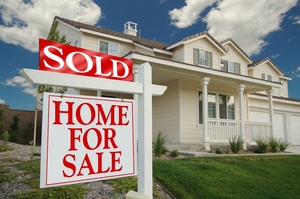 A VA purchase loan is one of the most valuable benefits available to veterans and active military members. Issued by the Department of Veterans Affairs and guaranteed by the federal government, VA purchase loans remove the traditional barriers that make homeownership difficult for military families. Whether you're an active duty service member, veteran, National Guard or Reserve member, or a surviving spouse, a VA purchase loan may help you achieve homeownership without the down payment requirements and insurance costs of conventional mortgages.
Unlike traditional home loans, VA purchase loans are designed specifically for those who have served our country. These government-backed mortgages provide benefits that conventional financing cannot match, including zero down payment requirements, no PMI, and typically lower interest rates. For eligible borrowers, a VA purchase loan is often the most affordable path to homeownership.
What Is a VA Purchase Loan and How Does It Work?
A VA purchase loan is a mortgage that allows eligible service members and veterans to buy a primary residence with favorable terms unavailable through conventional lenders. The Department of Veterans Affairs does not directly lend the money - instead, VA-approved lenders provide the mortgage, and the VA guarantees a portion of the loan. This government guarantee reduces risk for lenders, allowing them to offer better terms to borrowers.
The VA's guarantee means that if a borrower defaults, the VA compensates the lender for losses up to the guaranteed amount. This protection allows lenders to offer mortgages with features that benefit veterans:
- No down payment required – Veterans finance 100% of the purchase price
- No private mortgage insurance (PMI) – Eliminates $200-$500+ in monthly insurance costs
- Competitive interest rates – Often 0.25-0.5% below conventional mortgage rates
- Flexible credit requirements – Minimum credit score typically 580 (some lenders accept lower)
- Limited closing costs – VA regulations cap certain lender fees
Understanding VA Purchase Loan Eligibility and Requirements
Before applying for a VA purchase loan, you must establish your eligibility. The VA maintains strict criteria to ensure the program remains available to those who qualify. Eligibility is based primarily on military service history and is verified through a Certificate of Eligibility (COE).
Who Qualifies for a VA Purchase Loan?
The Department of Veterans Affairs establishes clear eligibility standards. You may qualify if you meet one of these service requirements:
- Active duty service members with at least 90 consecutive days of service during wartime or 181 days during peacetime
- Veterans who served on active duty and received an honorable or general discharge
- National Guard and Reserve members with at least six years of service or who were called to active duty for qualifying periods
- Surviving spouses of veterans who died on active duty or from service-connected disabilities
To prove your eligibility, you'll need to obtain a Certificate of Eligibility from the VA. This document verifies your military service and confirms your entitlement to VA loan benefits. Most lenders can obtain this document for you during the application process.
Financial and Credit Requirements
In addition to military service eligibility, VA lenders evaluate your financial readiness to qualify for a VA purchase loan. While the VA doesn't set specific credit score requirements, most lenders require:
- Minimum credit score: 580 (some lenders work with scores as low as 500-550)
- Debt-to-income ratio: Typically not exceeding 41-50% of gross monthly income
- Residual income: Sufficient funds remaining after all debt obligations to cover living expenses
- Employment history: Stable income and at least two years of employment history
Use our debt-to-income ratio calculator to estimate your qualification range, and review our residual income calculator to verify you meet lending guidelines.
Key Advantages of VA Purchase Loans Over Other Mortgages
VA purchase loans offer several substantial benefits that make them superior to conventional loans, FHA mortgages, and other mortgage types. These advantages translate to real savings for military families.
Zero Down Payment Advantage
The most significant benefit of a VA purchase loan is the zero down payment requirement. Traditional mortgage products require down payments of 5-20%, which can amount to $15,000 to $60,000 or more for an average home. This requirement prevents many families from purchasing homes and delays homeownership for years.
With a VA purchase loan, eligible veterans can finance 100% of the home's purchase price. You can buy a home for $300,000, $400,000, or more without making any down payment. This benefit alone makes VA purchase loans one of the most powerful homeownership tools available to military members.
No Private Mortgage Insurance (PMI)
Conventional loans require private mortgage insurance when the down payment is less than 20%. PMI typically costs 0.5-1.5% of the loan amount annually - translating to $200-$500+ per month on a $300,000 mortgage. This insurance protects the lender if you default but provides no benefit to you.
VA purchase loans eliminate PMI entirely, regardless of your down payment amount. This is one of the most valuable features. Over a 30-year mortgage, eliminating PMI saves veterans tens of thousands of dollars compared to conventional financing. You'll never pay PMI on a VA purchase loan unless you refinance to a different loan type.
Competitive Interest Rates
Because the VA guarantees VA purchase loans, lenders view them as lower-risk investments. This allows them to offer interest rates that are typically 0.25-0.5% lower than conventional mortgage rates. Even a 0.25% rate difference saves thousands over the life of your mortgage. Many veterans qualify for rates at or near the best available on the market.
Shop with multiple VA loan lenders for current rates to ensure you receive the most competitive offer available.
Additional Financial Benefits
- No prepayment penalties – Pay off your mortgage early without additional fees
- Limited closing costs – VA regulations cap seller-paid closing costs, protecting your wallet
- Flexible qualification standards – VA guidelines allow for lower credit scores and higher debt-to-income ratios than conventional loans
How to Apply for a VA Purchase Loan: Step-by-Step Process
The VA purchase loan application process is straightforward when you understand the required steps. Proper preparation can help you move through approval more quickly and avoid delays.
Step 1: Obtain Your Certificate of Eligibility
Your first step is to verify your military service eligibility by obtaining a Certificate of Eligibility (COE) from the VA. You can request your COE online through the VA website (eBenefits.va.gov), by mail, or through your lender. Most VA-approved lenders can request this document for you during the application process, making it convenient if you haven't already obtained it.
Step 2: Get Pre-Approved with a VA-Approved Lender
Work with a VA-approved mortgage lender to determine how much you can borrow. During pre-approval, the lender reviews your credit, income, employment history, and debts. Pre-approval gives you a clear picture of your buying power before you begin house hunting.
Choose a lender with experience serving military borrowers. Look for:
- Competitive interest rates
- Responsive customer service
- Transparent fee structures
- Experience closing VA loans quickly
Step 3: Find a Home and Make an Offer
Once you're pre-approved, work with a real estate agent to find homes within your budget. When you find a property you like, make an offer. Remember that VA purchase loans require the property to meet certain VA standards for safety and habitability - the property must pass a VA appraisal, but most homes do.
Step 4: Complete Your Mortgage Application
After your offer is accepted, complete the formal mortgage application. You'll provide:
- Pay stubs and tax returns (typically 2 years)
- Bank statements and asset documentation
- Employment verification
- Certificate of Eligibility
- Authorization for credit check
Step 5: Property Appraisal and VA Inspection
The lender orders a professional appraisal to determine the home's market value. The VA appraisal is more thorough than conventional appraisals and includes inspection for safety and habitability standards. The property must meet VA minimum property requirements for things like structural integrity, roof condition, utilities, and overall safety. This protects you by ensuring you're not buying a home with major defects.
Step 6: Underwriting and Final Approval
Your lender's underwriting team reviews all documentation and the appraisal. They may request additional information or clarification. Once everything is verified, you'll receive "clear to close" status, meaning you're approved to move forward to closing.
Step 7: Close on Your Home
At closing, you sign all final documents, review your closing disclosure, and take ownership of your home. The entire process from application to closing typically takes 30-45 days.
| Stage | Timeline | Key Documents Needed |
|---|---|---|
| Certificate of Eligibility Request | 3-7 days | DD214 or military service records |
| Pre-Approval | 1-3 days | Pay stubs, tax returns, bank statements |
| Offer Acceptance & Formal Application | 1-2 days | Completed 1003 form, employment verification |
| Appraisal & VA Inspection | 7-10 days | Property address and access |
| Underwriting Review | 5-7 days | Additional documentation as requested |
| Clear to Close & Final Walkthrough | 2-3 days | Closing disclosure review |
| Closing | 1 day | Final deed, mortgage note, closing statement |
Understanding VA Funding Fees
Most VA purchase loans require a one-time funding fee paid to the Department of Veterans Affairs. This fee helps sustain the VA loan program for future veterans. The cost varies based on several factors:
- Service type: Active duty, Reserve, National Guard, or veteran status
- Down payment amount: Larger down payments result in lower fees
- First-time use: Your first VA loan may have a higher fee than subsequent uses
- Disability rating: Veterans with service-connected disabilities may be exempt
The VA funding fee typically ranges from 1.4% to 3.6% of the loan amount. Rather than paying this fee out of pocket at closing, most veterans roll it into the loan amount and pay it over time. Use our VA funding fee calculator to estimate what you'll pay based on your situation.
VA Purchase Loan Property Requirements and Standards
VA purchase loans have specific property requirements designed to protect borrowers. The home must meet minimum standards for safety, soundness, and sanitary conditions. A VA appraisal includes inspection for:
- Structural integrity and foundation condition
- Roof condition and remaining useful life
- Electrical and plumbing systems
- HVAC system functionality
- Water and sewage systems
- Lead-based paint disclosures (homes built before 1978)
- Overall safety and habitability
These requirements protect you from purchasing a home with major hidden defects. Most homes pass VA appraisals without issue. Properties that don't meet standards must be repaired before closing. Learn more about VA home loan inspection requirements.
Frequently Asked Questions About VA Purchase Loans
What is the difference between a VA purchase loan and other loan types?
VA purchase loans are fundamentally different from conventional and FHA mortgages. Unlike conventional loans, VA loans require no down payment and no PMI. Unlike FHA loans, VA loans don't require mortgage insurance even with zero down. Learn more about VA loans vs. FHA loans, and compare VA loans vs. conventional loans.
Can I use my VA purchase loan benefit more than once?
Yes. Your VA loan entitlement can be used multiple times throughout your life. Once you pay off a VA loan, your entitlement is restored and available for future purchases. This allows veterans to leverage this benefit as their housing needs and circumstances change. You can use your benefit to upgrade to a larger home, relocate for a job, or help family members in specific circumstances.
What happens if my VA loan application is denied?
If a lender denies your VA purchase loan application, you have options. Common reasons for denial include credit issues, high debt-to-income ratio, or employment concerns. You can work to improve your situation and reapply, or shop with different lenders who may have different approval criteria. Reviewing common VA loan mistakes to avoid can help you strengthen your application.
Can I get a VA purchase loan if I've had a bankruptcy or foreclosure?
It's possible to qualify for a VA purchase loan after bankruptcy or foreclosure, but there are waiting periods. Most lenders require at least 2 years after a bankruptcy discharge and 3 years after a foreclosure before approving a VA loan. Some lenders may be more flexible. Explore VA loans and bankruptcy guidelines for your specific situation.
What if my home purchase price exceeds the VA loan limit in my county?
VA loan limits vary by county based on local housing costs. If you want to purchase a home above your county's limit, you can make a down payment on the excess amount. For example, if the limit is $500,000 and you want to buy a $550,000 home, you'd make a $50,000 down payment and finance the remaining $500,000 with a VA loan. Use our VA loan limits lookup calculator to find your county's limit.
Do VA purchase loans work for investment properties or second homes?
No. VA purchase loans are restricted to owner-occupied primary residences. You cannot use a VA loan to purchase a rental property, investment property, or second home. The property must be your primary residence, though you can purchase a 2-4 unit multi-family property if you occupy one unit as your primary residence.
How do I get the best interest rate on my VA purchase loan?
Shop with multiple lenders to compare rates. Interest rates vary among VA-approved lenders and change daily based on market conditions. Getting quotes from 3-5 lenders helps you identify the best available rate for your credit profile. Factors that influence your rate include your credit score, down payment (if any), loan term, and current market conditions.
VA Purchase Loans vs. Other Mortgage Options
Understanding how VA purchase loans compare to other mortgage types helps you make an informed decision. Here's how VA loans stack up:
- VA vs. Conventional Loans: Conventional loans require 5-20% down, charge PMI (when down payment < 20%), and have stricter credit requirements. VA loans require zero down, no PMI, and more flexible credit standards.
- VA vs. FHA Loans: FHA loans allow lower credit scores but require 3.5% down and mortgage insurance for the entire loan term. VA loans need no down payment and have no mortgage insurance requirement.
- VA vs. USDA Loans: USDA loans serve rural areas and have different eligibility requirements. VA loans are available nationwide for eligible military members.
For most veterans, a VA purchase loan is the most advantageous financing option available.
Getting Started With Your VA Purchase Loan
If you're a veteran or active military member considering homeownership, a VA purchase loan may be your best path forward. The combination of zero down payment, no PMI, competitive rates, and flexible qualification standards makes VA loans uniquely valuable for military families.
Ready to explore your options? Start by:
- Obtaining your Certificate of Eligibility
- Getting pre-approved with a VA lender
- Reviewing full eligibility requirements
- Using our calculators to estimate your buying power
Your military service has already provided you with one of the greatest homeownership benefits available. A VA purchase loan honors that service by removing barriers to homeownership and helping you build equity in a home of your own.
Connect With Us
Please share – it really helps