VA Loans for Manufactured Homes: Requirements & Guidelines
 Veterans
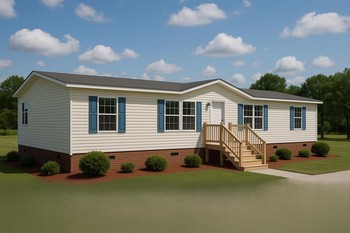
and active-duty service members can use a VA loan for a manufactured home that meets Department of Veterans Affairs standards. These factory-built homes offer affordable homeownership opportunities with the same zero-down-payment advantages available for site-built properties.
Veterans
and active-duty service members can use a VA loan for a manufactured home that meets Department of Veterans Affairs standards. These factory-built homes offer affordable homeownership opportunities with the same zero-down-payment advantages available for site-built properties.
Manufactured homes provide quality living spaces at lower costs than traditional construction. The VA loan program recognizes this value and extends full benefits to manufactured homes that comply with federal standards and meet specific eligibility requirements.
What Qualifies as a Manufactured Home for VA Loans
Manufactured homes are built entirely in climate-controlled factories in accordance with federal construction standards established by the Department of Housing and Urban Development (HUD). These homes arrive at your property in one or more sections for installation on permanent foundations.
The VA distinguishes manufactured homes from mobile homes based on construction dates and standards. Homes built after June 15, 1976, qualify as manufactured homes when they display HUD certification labels. Older units built before this date don't meet current federal standards and cannot be financed with VA loans.
HUD certification labels appear as red metal tags permanently attached to the home's exterior. These labels verify compliance with federal construction, safety, fire-resistance, and energy-efficiency standards. VA lenders require verification of these labels during the appraisal process. To learn more about the appraisal process, see our VA home loan inspection requirements.
VA Manufactured Home Loan Requirements
The Department of Veterans Affairs maintains specific standards that manufactured homes must meet for loan eligibility:
Foundation Requirements: The manufactured home must attach permanently to a foundation system approved by local building codes. Acceptable foundation types include concrete slabs, crawl spaces with proper support, and basement foundations. The foundation must provide adequate structural support and comply with local regulations.
Property Classification: The home must be classified as real estate, not personal property. This classification requires permanent attachment to the foundation and proper titling through your county or state real estate system. Personal property titles (similar to vehicle titles) don't qualify for VA financing.
Land Ownership or Lease: Veterans must own the land or hold a lease meeting VA standards. When purchasing both home and land together, a single VA loan can finance the entire transaction. Land leases must extend for at least three years beyond the loan term and include renewal options acceptable to the VA.
Size Requirements: Single-wide manufactured homes must contain at least 400 square feet of living space. Double-wide and multi-section units typically meet size requirements automatically. Local building codes may impose larger minimum sizes that supersede VA standards.
HUD Certification: The home must display valid HUD certification labels proving compliance with federal manufactured housing construction and safety standards. Missing or damaged labels create financing challenges and may require replacement through proper channels.
How VA Manufactured Home Loans Work
VA-manufactured home loans function similarly to traditional VA mortgages but include additional requirements specific to factory-built housing. Understanding these differences helps veterans navigate the process successfully.
Financing Options
Veterans can structure manufactured home purchases in several ways:
Combined Home and Land Purchase: The most common approach finances both the manufactured home and land as a single transaction. This creates one mortgage payment and establishes clear property ownership. Loan amounts can reach VA county limits when purchasing both components together.
Home-Only Purchase: Veterans who already own suitable land can finance only the manufactured home. This reduces the total loan amount and monthly payments. The land must meet VA placement standards, including proper utilities, access, and zoning compliance.
Land and Home Purchased Separately. Some veterans purchase land with conventional financing, then use VA benefits to finance the manufactured home. This strategy works when VA lenders have concerns about land suitability or when separate financing offers better terms.
Zero Down Payment Benefits
VA-manufactured home loans maintain the zero-down-payment benefit that makes VA financing attractive. Veterans can purchase both the home and the land without a down payment when the purchase price doesn't exceed VA county limits. Check our VA loan limits for 2026 to see the maximum loan amounts in your area.
This benefit offers significant advantages over conventional manufactured home financing, which typically requires a down payment of 10% to 20%. Veterans preserve cash reserves for moving expenses, home improvements, and emergency funds. For a full breakdown of costs, see our guide to VA closing costs.
Interest Rates and Loan Terms
VA-manufactured home loans offer competitive interest rates comparable to site-built home financing. Rates vary based on market conditions, lender pricing, and borrower qualifications, but generally remain below conventional manufactured home loan rates. Check today's VA interest rates for current pricing.
Loan terms extend up to 30 years when financing both home and land together. This extended term reduces monthly payments compared to shorter-term financing. Home-only loans may have shorter maximum terms depending on the lender's requirements and the property's characteristics.
No Private Mortgage Insurance
VA loans don't require private mortgage insurance regardless of down payment amount. This benefit saves veterans $100 to $300 per month compared to conventional low-down-payment loans that require PMI. Learn more about VA loans and PMI.
The VA funding fee replaces traditional mortgage insurance but costs significantly less over the life of the loan. Veterans with service-connected disabilities receive funding fee exemptions, eliminating this cost. If you're wondering whether the funding fee can be financed, see can the VA funding fee be rolled into the loan.
Finding VA-Approved Lenders
Not all VA lenders offer manufactured home financing. Veterans should identify lenders with experience in manufactured home loans before beginning their home search. Specialized lenders understand unique requirements and provide smoother processing.
Lender Selection Criteria
Experience with VA-manufactured home loans and HUD requirements indicates the lender's capability. Ask potential lenders about their manufactured home loan volume and average processing times.
Relationships with manufactured home dealers and installation contractors help coordinate the purchase process. Lenders familiar with local dealers understand typical timelines and documentation requirements.
Processing times for manufactured home loans typically exceed those for site-built home loans due to additional verification requirements. Veterans should expect 45 to 60 days from application to closing in most cases.
Interest rates and terms vary among VA lenders even for identical borrower qualifications. Shopping multiple lenders ensures veterans secure the most favorable financing available.
Credit Requirements
VA-manufactured home loans follow standard VA credit guidelines, which do not include specific minimum credit score requirements. However, individual lenders establish their own credit standards within VA parameters. For a full breakdown, see our VA loan credit score requirements.
Most VA lenders accept credit scores of 580 or higher for manufactured home loans. Some lenders require a credit score of 620 or higher, particularly for home-only financing without a land purchase. Veterans with lower scores should contact multiple lenders to identify the most flexible options.
Recent credit events, such as bankruptcies or foreclosures, require appropriate waiting periods. Chapter 7 bankruptcies need two years from discharge, while Chapter 13 bankruptcies allow financing after 12 months of payments. Foreclosures typically require two years before VA loan eligibility returns. Learn more in our guide to VA loans and bankruptcy.
The VA Appraisal Process
VA appraisals for manufactured homes include verification requirements that go beyond those in standard home appraisals. The VA appraiser confirms HUD certification, foundation adequacy, and overall property condition.
HUD Label Verification Appraisers photograph and document HUD certification labels during property inspection. Missing or damaged labels create significant problems that may prevent loan approval. Veterans should verify the presence of labels before making purchase offers.
Foundation Inspection: The appraiser evaluates the foundation's compliance with local building codes and VA requirements. Proper tie-down systems, adequate support, and permanent attachment receive verification during inspection. If you're concerned about foundation issues, see our page on foundation cracks.
Property Condition Assessment: Overall home condition affects both appraisal value and loan approval. Significant defects, safety hazards, or code violations require correction before closing. The VA appraisal protects veterans from purchasing unsuitable properties.
Manufactured Home Community Considerations
Many manufactured homes sit in planned communities with shared amenities and infrastructure. Community location affects both financing approval and long-term property values.
Community Standards Well-maintained communities with proper utilities, paved roads, and attractive common areas support property values. Veterans should research the community reputation and management quality before purchasing.
Homeowners Association Requirements: Some manufactured home communities operate homeowners' associations that charge monthly fees and impose usage restrictions. These fees appear in debt-to-income calculations and affect loan qualification. Veterans should review association rules and financial statements. Use our debt-to-income ratio calculator to see how HOA fees impact your qualification.
Land Lease Communities: Communities offering land leases rather than land ownership require careful lease review. The VA examines lease terms, duration, and renewal options during loan underwriting. Leases must extend at least three years beyond the loan term.
Working with Manufactured Home Dealers
Manufactured home dealers assist veterans throughout the purchase process by coordinating with lenders, installation contractors, and local authorities. Selecting experienced dealers familiar with VA requirements creates smoother transactions.
Dealer Selection: Choose dealers with established VA loan experience and positive customer reviews. Experienced dealers understand VA timelines, documentation requirements, and appraisal processes.
Ask dealers about their lender relationships and typical processing times for VA purchases. Dealers working regularly with VA buyers provide realistic timelines and proactive communication.
New vs. Used Manufactured Homes: Both new and used manufactured homes qualify for VA financing when they meet eligibility requirements. New homes offer manufacturer warranties and the latest construction standards. Used homes typically cost less but may require additional inspections to verify condition.
The VA doesn't set maximum age limits for manufactured homes, but lenders may establish their own restrictions. Some lenders limit financing to homes less than 20 or 30 years old due to condition concerns.
Installation and Setup Requirements
Proper installation significantly impacts VA loan approval and long-term home performance. Licensed installation contractors must complete the setup according to the manufacturer's specifications and local building codes.
Installation Components
Foundation construction must meet local building code requirements and provide adequate structural support. The installation contractor coordinates foundation inspections with local building authorities.
Tie-down systems secure the home to the foundation and prevent movement during high winds or seismic events. These systems require inspection and approval as part of the installation process.
Utility connections for water, sewer, electrical, and gas services must meet local codes and pass required inspections. Proper connections ensure safe operation and prevent future problems. For details on well and septic requirements, see our pages on well water requirements and septic tank requirements.
Installation Certifications: VA lenders require installation certificates proving code compliance and proper setup. Licensed contractors provide these certificates after completing all required inspections. Missing certifications delay closing and may prevent loan approval.
Title and Ownership Issues
Manufactured homes transition from personal property to real estate through the titling process. This conversion is essential for VA loan eligibility and requires proper documentation.
Converting to Real Property. The manufactured home title must be retired with your state's motor vehicle or housing department. This process removes the personal property designation, allowing the home to be recorded as real estate.
Local land records must reflect the manufactured home as a permanent improvement to the real property. County recording requirements vary by location, so veterans should work with title companies familiar with manufactured home conversions.
Title Insurance Title insurance protects against ownership disputes and title defects. Manufactured homes with complex ownership histories may present title challenges that require resolution before closing. Learn more on our title insurance page.
Refinancing Manufactured Home Loans
Veterans can refinance manufactured home VA loans using an Interest Rate Reduction Refinance Loan (IRRRL) to reduce interest rates. Standard cash-out refinancing also remains available for accessing home equity.
IRRRL Requirements The IRRRL process for manufactured homes follows standard VA streamline refinancing guidelines. Veterans must demonstrate payment history showing on-time payments for the preceding 12 months. See our IRRRL guide and streamline refinance calculator for more details.
Appraisals typically aren't required for IRRRL transactions, reducing costs and processing time. The refinanced loan amount cannot exceed the current loan balance plus allowable closing costs and VA funding fee.
Cash-Out Refinancing: Cash-out refinancing allows veterans to access accumulated equity while potentially securing a better interest rate. These transactions require full appraisals and income verification in accordance with standard VA loan guidelines. See our VA cash-out refinance guidelines.
Common Manufactured Home Loan Challenges
Veterans encounter specific challenges when financing manufactured homes with VA loans. Understanding these issues helps avoid problems during the purchase process.
Missing or damaged HUD certification labels pose significant financing obstacles. Replacement procedures are available through HUD-approved organizations but require time and documentation. Veterans should verify the presence of a label before making offers.
Foundation Issues: Inadequate or non-compliant foundations prevent VA loan approval. Foundation retrofits can correct these problems, but add costs and delays. Professional foundation inspections before purchase help identify potential issues early.
Personal Property Titles Homes titled as personal property don't qualify for VA financing until converted to real estate. This conversion process varies by state and may require several weeks. Veterans should initiate title conversion early in the purchase process.
Land Lease Complications Land leases must meet strict VA requirements for term length, renewal options, and transferability. Non-compliant leases prevent VA financing even when the home otherwise qualifies.
Protecting Your Investment
Manufactured homes require proper maintenance and protection to preserve value and ensure longevity. Veterans should understand the ongoing responsibilities that come with manufactured home ownership.
Insurance Requirements: VA lenders require homeowners' insurance covering the manufactured home and, when applicable, the land. Insurance must provide adequate coverage for dwelling replacement costs and liability protection. If the home is in a flood zone, flood insurance may also be required.
Some insurance companies specialize in manufactured home coverage and offer better rates than traditional homeowners' insurance providers. Shopping multiple insurers ensures competitive pricing.
Maintenance Considerations: Roof maintenance prevents water intrusion and structural damage. Manufactured home roofs typically require more frequent inspection than site-built homes due to their construction methods. Also be aware of mold inspection and remediation needs.
HVAC systems, plumbing, and electrical components need regular servicing to prevent failures. Manufacturer maintenance recommendations guide inspection intervals and service requirements.
Skirting around the home's perimeter requires periodic inspection and repair. Proper skirting protects plumbing and HVAC components while preventing pest intrusion. A termite inspection is also recommended.
Maximizing Your VA Loan Benefits
Veterans should understand how to leverage VA loan advantages for manufactured home purchases. Strategic planning optimizes benefits while minimizing costs.
Using Entitlement Efficiently, Veterans can use partial entitlement for manufactured home purchases while preserving remaining entitlement for future property purchases. Understanding entitlement calculations helps plan current and future real estate transactions. See our explanation of basic entitlement on a VA loan.
The VA provides calculators and resources for determining available entitlement. Veterans should review their Certificate of Eligibility to understand their current entitlement status. If you need help, see our guide to Certificate of Eligibility for VA loan.
Combining with Other Benefits. Some states offer additional benefits for veteran homebuyers, including property tax exemptions and reduced licensing fees. Research state and local veteran benefits to maximize total savings.
Energy-efficient manufactured homes may qualify for utility rebates and tax credits. These programs reduce operating costs and improve affordability.
Frequently Asked Questions About VA Loans for Manufactured Homes
Can I use a VA loan to buy a manufactured home?
Yes, veterans and active-duty service members can use a VA loan to purchase a manufactured home if it meets specific requirements. The home must be built after June 15, 1976, affixed to a permanent foundation, classified as real estate, and the veteran must own or lease the land under VA guidelines.
What is the difference between a manufactured home and a mobile home for VA loans?
For VA loan purposes, the key difference is the construction date. Homes built after June 15, 1976, that meet HUD standards are considered manufactured homes and may qualify for VA financing. Older units built before that date are considered mobile homes and do not meet current federal standards, making them ineligible for VA loans.
Do VA loans for manufactured homes require a down payment?
VA loans for manufactured homes offer the same zero-down-payment benefit as traditional VA loans, provided the purchase price does not exceed VA county loan limits. This applies when financing both the home and land together. Home-only loans may have different requirements depending on the lender.
What credit score is needed for a VA manufactured home loan?
The VA itself does not set a minimum credit score requirement. However, individual lenders set their own standards, typically requiring a minimum credit score of 580 for VA manufactured home loans. Some lenders may require 620 or higher, especially for home-only financing.
Can I refinance a manufactured home with a VA loan?
Yes, veterans can refinance manufactured home VA loans using an Interest Rate Reduction Refinance Loan (IRRRL) or a cash-out refinance. The IRRRL requires a 12-month on-time payment history, while cash-out refinancing requires a full appraisal and income verification.
Moving Forward with Your Purchase
Veterans ready to purchase manufactured homes with VA financing should follow systematic approaches to ensure successful transactions. Proper preparation prevents delays and complications.
Initial Steps
Obtain your Certificate of Eligibility through the VA website, your lender, or an approved VA representative. This certificate proves loan eligibility to lenders and expedites loan processing.
Review your credit reports from all three bureaus and address any errors or issues before applying for financing. Credit problems resolved early prevent last-minute delays.
Calculate your budget, including monthly payments, utilities, lot rent (if applicable), homeowners association fees, and insurance. Realistic budgeting prevents financial strain after closing. Our debt-to-income calculator can help.
Research manufactured home communities and available properties in your target area. Understanding local market conditions helps identify good values and avoid overpriced properties.
Contact multiple VA lenders experienced with manufactured home financing. Compare interest rates, terms, fees, and service quality before selecting your lender. See our guide on whether VA loan rates are the same at all banks.
Conclusion
VA loans provide excellent financing opportunities for veterans purchasing manufactured homes. Zero-down-payment requirements, competitive interest rates, and no private mortgage insurance create affordable paths to homeownership through factory-built housing.
Understanding VA-manufactured home requirements helps veterans successfully navigate the purchase process. Proper preparation, selecting an experienced lender, and attention to qualification details ensure smooth transactions.
Manufactured homes offer quality construction, energy efficiency, and value, making homeownership accessible to more veterans. The VA loan program's extension to manufactured housing demonstrates an ongoing commitment to veteran homeownership, regardless of the construction method.
Connect With Us
Please share – it really helps