Who Pays Closing Costs on a VA Loan?
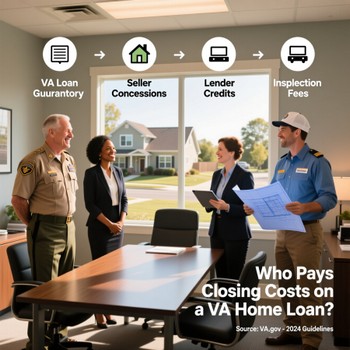 Veterans
Affairs home loans provide military families with a path to
homeownership, eliminating the need for a down payment. However,
buyers still face closing costs that can add thousands to their
purchase price. Understanding who pays VA loan closing costs
helps veterans plan their homebuying budget effectively.
Veterans
Affairs home loans provide military families with a path to
homeownership, eliminating the need for a down payment. However,
buyers still face closing costs that can add thousands to their
purchase price. Understanding who pays VA loan closing costs
helps veterans plan their homebuying budget effectively.
VA Loan Closing Costs Overview
VA loans differ from conventional loans in several ways, including how closing costs work. The Department of Veterans Affairs sets specific guidelines on which closing costs veterans may pay and which fees lenders may not charge, ensuring fair treatment for VA borrowers. These rules protect veterans from excessive charges while making homeownership more affordable.
Most closing costs on a VA loan, including the VA appraisal fee, fall into two categories: allowable and nonallowable fees. Veterans can pay allowable fees, while lenders must cover nonallowable charges. This system ensures veterans receive fair treatment during the loan process.
Understanding Allowable VA Closing Costs
Veterans can pay several types of closing costs when using a VA mortgage. These allowable fees include origination charges, appraisal costs, credit report fees, title insurance, and recording expenses. Lenders typically itemize these costs on the loan estimate they provide during the application process.
The origination fee represents the most significant single closing cost for most veterans. Lenders can charge up to 1% of the loan amount as this fee. For example, a veteran buying a home worth $300,000 might pay up to $3,000 in origination fees.
Appraisal fees cover the cost of determining the property value. VA appraisals differ from standard home appraisals because they include additional inspections for safety and habitability. Veterans typically expect to pay between $400 and $800 for this service, depending on the property location and type.
Title insurance protects both the lender and homeowner from ownership disputes. Veterans are required to purchase lender title insurance, while owner title insurance remains optional. These costs vary by state and property value but typically range from $500 to $2,000.
How Seller Concessions Help Veterans
Seller concessions provide veterans with a powerful tool to reduce their upfront costs. Sellers can pay up to 4% of the total loan amount toward the closing costs for a veteran buyer, easing their financial burden. This concession cap exceeds limits for conventional loans, giving veterans more negotiating power.
Innovative negotiation strategies help veterans maximize the benefits of seller concessions. Real estate agents experienced with VA loans understand how to structure offers that appeal to sellers while securing maximum concessions for veteran buyers.
Market conditions affect the seller's willingness to offer concessions. In competitive markets, sellers might resist paying buyer costs. However, in slower markets, concessions become a common point of negotiation that benefits both parties.
- Veterans can negotiate seller concessions up to four percent of the loan amount.
- Seller concessions can cover most allowable closing costs and prepaid expenses.
- Market conditions influence the seller's willingness to provide concessions
Funding Fee Requirements
The VA funding fee represents a unique aspect of VA mortgage closing costs. This one-time charge helps fund the loan program for future veterans. The fee amount varies based on the type of military service, down payment amount, and whether the veteran has previously used VA loan benefits.
First-time VA loan users typically pay a funding fee equal to 2.3 percent of the total loan amount when making no down payment. Veterans making a down payment of five percent or more pay reduced fees. Subsequent VA loan usage results in higher funding fee rates.
Some veterans qualify for funding fee exemptions based on their disability ratings or status as a surviving spouse. Veterans with service-connected disabilities rated at 10 percent or higher are eligible for complete fee waivers. This exemption can save thousands of dollars at closing, allowing veterans to leverage the seller to pay some of the costs.
Try our funding fee Calculator
Nonallowable VA Loan Costs
Veterans are exempt from paying specific fees that lenders commonly charge on conventional mortgages. These nonallowable costs include loan processing fees, underwriter charges, document preparation fees, and application costs. Lenders must absorb these expenses or find alternative ways to cover them.
The VA prohibits veterans from paying for loan-related attorney fees, except in specific circumstances. Veterans are also not allowed to pay for lender inspection fees beyond the required appraisal. These restrictions keep veteran out-of-pocket costs reasonable compared to other mortgage types.
Some lenders attempt to charge veterans for prohibited fees by disguising them as allowable costs. Veterans should carefully review their loan estimate and question any charges that appear excessive or unclear. Working with experienced VA lenders helps avoid these issues.
Comparing VA Loans to Conventional Mortgages
VA mortgage closing costs differ significantly from those of conventional loans. While conventional borrowers often pay higher fees, they have more flexibility in fee structures. Veterans benefit from cost protections but face some restrictions on loan terms and lender selection.
Interest rates on VA loans typically match or beat conventional mortgage rates. This rate advantage can save veterans hundreds of dollars per month over the life of the loan. Lower rates also mean reduced total interest payments over the projected loan term.
Down payment requirements represent the most significant difference between loan types. Conventional loans require a down payment of at least 3%, while VA loans allow zero down payment. This benefit helps veterans purchase homes without requiring large upfront cash payments.
Private mortgage insurance adds monthly costs to conventional loans for buyers with small down payments, thereby increasing the total loan amount. VA loans never require this insurance, resulting in ongoing savings throughout the life of the loan. These monthly savings can equal hundreds of dollars annually.
Regional Variations in Closing Costs
Closing costs vary significantly depending on the property's location and local market conditions. High-cost areas, such as California and New York, typically see higher fees across all categories. Rural areas might offer lower costs but fewer lender options for veterans.
State and local taxes affect total closing costs, which can vary significantly with the home's purchase price. Some states charge high transfer taxes or recording fees that add to veterans' costs. Other states keep these charges minimal, making homeownership more affordable.
- Property taxes vary by location and affect prepaid closing costs
- Recording fees and transfer taxes differ between states and counties
- Local market conditions influence appraisal and inspection costs
Working with VA-Approved Lenders
Choosing the right lender can significantly impact both closing costs and loan terms. VA-approved lenders understand program requirements and avoid charging prohibited fees. These experienced lenders also process applications more efficiently and offer better guidance throughout the loan process.
Shopping for multiple lender quotes helps veterans find competitive rates and fees. Each lender structures their costs differently, so comparing total expenses provides the clearest picture. Veterans should request loan estimates from at least three different lenders.
Online lenders sometimes offer lower fees but provide less personal service. Traditional banks might charge higher fees but offer face-to-face support. Credit unions often provide middle-ground options with competitive rates and individual attention.
Timeline and Payment Schedule
Understanding when closing costs on a VA loan become due helps veterans plan their finances effectively. Most fees are paid at closing, but some costs, such as the appraisal, may require an upfront payment during the loan process. Veterans should maintain adequate funds throughout the loan timeline.
The loan estimate provides a detailed breakdown of expected costs three business days after the application is received. This document helps veterans understand their financial obligations and compare lender offers. Updated estimates reflect any changes made during the underwriting process.
Closing disclosure documents arrive three business days before closing and display the final cost calculations. Veterans should review these documents carefully and ask questions about any unexpected changes or discrepancies. Last-minute surprises can sometimes be resolved before closing.
Final walkthrough inspections occur shortly before closing and may reveal issues that require additional costs. Veterans should budget for potential repair expenses or consider renegotiating terms if significant problems arise.
Rolling Closing Costs Into the Loan
Veterans can roll closing costs into their loan amount rather than paying cash at closing. This option increases the total loan balance and monthly payments but reduces upfront cash requirements. The property must appraise at a value sufficient to support the higher loan amount.
Rolling costs into a VA loan makes sense when veterans have limited cash available and need to cover the loan origination fee. However, this strategy increases the total interest paid over the life of the loan. Veterans should calculate the long-term cost difference before choosing this option.
Some closing costs cannot be rolled into the loan, including prepaid items such as homeowners' insurance and property taxes. Veterans must still bring cash to closing for these expenses, even when financing other fees.
Market conditions affect the ability to roll costs into loans. In declining markets, properties might not appraise high enough to support additional loan amounts. Veterans should discuss this option with their lender as early in the process as possible.
Preparation Strategies for Veterans
Thoughtful preparation reduces closing-cost surprises and speeds up the loan process. Veterans should gather the required documents early and maintain stable employment and a good credit history during the application period. Any significant financial changes can delay the closing or impact loan approval.
Creating a closing cost budget helps veterans plan their finances effectively. Adding a buffer for unexpected expenses provides peace of mind and prevents last-minute financial stress. Most experts recommend budgeting an extra $1,000 beyond estimated costs.
Veterans should maintain communication with their lender throughout the process and respond quickly to document requests. Delays in providing information can push back closing dates and potentially affect locked interest rates. Staying organized and responsive helps the home purchase process move smoothly.
Understanding VA loan benefits beyond closing costs helps VA borrowers make informed decisions about their financial options. These loans offer lifetime reuse privileges, no prepayment penalties, and assumability features that provide ongoing value. Veterans should learn about all program benefits to maximize their advantage.
Connect With Us
Please share – it really helps