Flood Insurance Requirements for VA Loans: Complete Guide
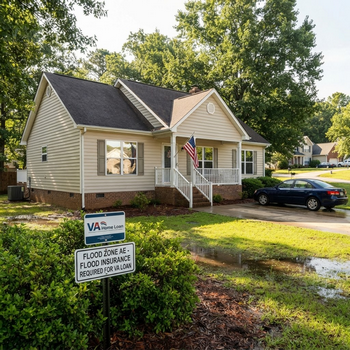 VA loan flood insurance requirements protect both lenders and borrowers. Properties in federal flood zones can qualify for VA financing if flood insurance is obtained and maintained. Understanding flood zone designations, insurance costs, elevation certification, and mitigation strategies helps you plan for long-term ownership costs and avoid closing delays.
Do VA Loans Allow Properties in Flood Zones?
Yes, VA loans allow properties located in flood zones, provided appropriate flood insurance is in place and maintained throughout the life of the loan. Flood zone designations are determined by the Federal Emergency Management Agency (FEMA) based on the statistical risk of flooding in specific areas. Properties in high-risk Special Flood Hazard Areas (SFHAs) are required to carry flood insurance as a non-negotiable condition of VA loan approval.
The VA appraiser checks FEMA flood maps during the appraisal process and documents the flood zone designation on the appraisal report. If a property is located in a flood zone, an elevation certification must be obtained to verify the property's actual flood risk status. This certification determines whether the home qualifies for flood insurance rate reductions or may be eligible for removal from flood zone designation through a Letter of Map Amendment (LOMA).
Understanding FEMA Flood Zone Designations
FEMA designates flood zones based on the annual probability of flooding. Special Flood Hazard Areas (SFHAs), also called high-risk zones, have a one percent annual chance of flooding - commonly referred to as the "100-year floodplain." Properties in SFHAs are subject to mandatory flood insurance requirements when financed with federally backed mortgages, including VA loans.
Moderate-risk zones, or 500-year floodplains, have a 0.2 to one percent annual chance of flooding. While flood insurance is not federally mandated in moderate-risk zones, lenders may still require it based on loan-to-value ratio or property elevation. Low-risk or minimal-risk zones are outside the mapped floodplain and generally do not require flood insurance unless the lender mandates additional coverage.
Flood insurance is mandatory for properties in SFHAs financed with federally backed mortgages, including VA loans. The lender must escrow the flood insurance premium as part of the monthly mortgage payment. This escrow requirement is non-negotiable and applies to all VA loans in designated flood zones, regardless of down payment amount or borrower creditworthiness.
VA Loan Flood Insurance Costs: What to Budget
Flood insurance costs vary significantly based on the property's elevation relative to the base flood elevation, the FEMA zone designation, and the home's replacement value. In high-risk SFHAs, flood insurance typically costs $600 to $3,000 or more per year, translating to $50 to $250 per month added to the mortgage payment. In moderate-risk zones, premiums generally range from $200 to $600 annually, or approximately $17 to $50 per month.
The National Flood Insurance Program (NFIP) offers standardized rates based on these factors, but individual properties within the same zone may have different costs depending on elevation. Homes elevated significantly above the base flood level may qualify for reduced rates. Conversely, homes at or below base flood elevation face higher premiums. When budgeting for a VA loan on a flood-prone property, factor flood insurance into your total monthly housing expense and affordability analysis. Use the debt-to-income ratio calculator to ensure the additional flood insurance cost doesn't push you over acceptable debt ratios.
Elevation Certification for VA Loan Flood Zones
An elevation certification is a professional engineering survey that determines the elevation of a property relative to the base flood elevation (BFE) established by FEMA. For properties in or near flood zones, an elevation certification may be required to confirm whether the home is actually at flood risk or whether it sits above the flood level due to natural elevation or ground fill.
A licensed surveyor or professional engineer must prepare the elevation certification, which costs typically between $300 and $800. The certification must comply with FEMA standards and be filed with the local floodplain administrator. The process generally takes one to two weeks. If the elevation certification shows the property is elevated above the base flood level, it may not require flood insurance or may qualify for significantly reduced insurance rates, potentially saving hundreds of dollars annually.
Request the elevation certification early in the loan process. Many sellers complete this before listing, but if not, the buyer should order it immediately after going under contract. Having the elevation certification completed before the appraisal accelerates the flood determination process and prevents closing delays.
Letter of Map Amendment (LOMA): Removing Flood Zone Designation
If you believe a property has been incorrectly mapped into a flood zone by FEMA, you can request a Letter of Map Amendment (LOMA). A LOMA is a formal determination from FEMA based on new survey or engineering data proving that the property is actually above the base flood elevation and is not at flood risk. If FEMA approves the LOMA, the property is officially removed from the flood zone, and flood insurance is no longer required.
Preparing a LOMA requires professional surveying and engineering analysis. The application process with FEMA typically takes 30 to 90 days depending on the complexity and current FEMA workload. Many buyers and sellers pursue a LOMA if they believe the flood designation is incorrect, as it permanently eliminates the need for ongoing flood insurance premiums - potentially saving thousands of dollars over the life of the loan.
To initiate a LOMA, hire a surveyor to prepare a detailed elevation survey showing the property's actual elevation. FEMA provides specific guidelines for LOMA applications on its website. Submit the application through your local floodplain administrator. While the LOMA process takes time, if approved, it provides permanent flood zone removal, making it a worthwhile investment for many properties on the borderline of flood zone designation.
National Flood Insurance Program (NFIP) vs. Private Flood Insurance
Flood insurance for VA loans is available through two primary sources: the National Flood Insurance Program (NFIP) and private flood insurance carriers. The NFIP is a federal program backed by the government and offers standardized rates based on FEMA zone designation and elevation. Most VA loans in flood zones are financed with NFIP coverage because of its predictable rates and broad availability.
Private flood insurance policies are available from private insurers and may offer advantages such as lower premiums, higher coverage limits, better customer service, or faster policy binding times compared to NFIP. However, private flood policies must meet VA requirements and receive lender approval. Not all private policies are acceptable for VA loans, so coordination with your lender is essential. If considering private flood insurance, verify with the lender that the policy meets VA guidelines before binding coverage.
Flood Determination Timing and the 30-Day Binding Requirement
The flood determination must be ordered early in the loan process. Once a property goes under contract, the lender orders a flood determination from a third-party service that checks FEMA maps, local flood databases, and other sources to determine the flood zone status. This report typically arrives within three to five business days.
If the property is in a flood zone, flood insurance must be bound immediately. The National Flood Insurance Program has a 30-day waiting period before coverage becomes effective, meaning flood insurance ordered after signing the purchase agreement may not be effective by the loan closing date. Lenders require proof of flood insurance coverage before issuing the clear-to-close letter. Starting the flood insurance process as soon as the contract is signed prevents costly closing delays or the need to extend the closing date to accommodate the 30-day waiting period.
Mandatory Escrow of Flood Insurance Premiums
For all VA loans in flood zones, flood insurance premiums must be escrowed by the lender. Escrow means the borrower does not pay the flood insurance company directly. Instead, the lender collects one-twelfth of the annual flood insurance premium each month as part of the monthly mortgage payment. The lender then pays the insurance company on behalf of the borrower when the premium is due.
This escrow requirement is a federal mandate for all federally backed loans in flood zones and is non-negotiable. Borrowers cannot opt out or pay the flood insurance directly, even if they prefer to manage the payment themselves. The escrow amount is included in the loan estimate and closing disclosure, so you'll see the impact on your monthly housing expense before closing.
Flood Damage Mitigation: Protecting Your Property
The VA appraiser evaluates whether a home in a flood zone has adequate mitigation measures to reduce flood damage risk. Common flood mitigation strategies include elevation of the home above the base flood level, installation of flood vents in the foundation to allow water flow during flooding, proper grading and drainage to direct water away from the home, and backup sump pumps in basements.
Homes with adequate mitigation measures may have lower flood risk assessments, potentially resulting in lower flood insurance premiums. If the home shows signs of past flood damage or lacks adequate mitigation, the VA appraiser may require repairs before the loan can close. Necessary corrections might include installing flood vents, sealing cracks in the foundation, elevating utilities (HVAC, water heater) above the flood level, or raising the home on piers or pilings in high-risk areas.
If the appraiser identifies required mitigation work, obtain repair estimates immediately. Most repairs can be completed within a few weeks, allowing the loan to proceed to closing once work is documented and approved. Budget for these repairs early in the offer stage if the property shows signs of flood vulnerability.
Impact of Flood Zone Designation on Appraised Value
The flood zone designation itself does not reduce the appraised value of the property. The appraiser notes the flood zone on the appraisal report, but the property value is determined based on market conditions and comparable sales in the area. However, the requirement to carry flood insurance does add an ongoing cost to homeownership. When evaluating affordability, include flood insurance costs in your debt-to-income ratio analysis to ensure the total housing payment fits your budget.
Some buyers negotiate a price reduction if the property is in a flood zone due to the ongoing flood insurance expense. Others accept the flood zone status if the property price and location justify the insurance cost. Understanding the long-term cost impact helps you make an informed purchasing decision.
Frequently Asked Questions About VA Loan Flood Insurance
What happens if I buy a VA loan property in a flood zone without flood insurance?
Federal law prohibits loan closing without proof of flood insurance for properties in SFHAs. Your lender will not issue the clear-to-close letter without flood insurance binding. If flood insurance is not bound by closing, the loan cannot close. Additionally, if you later fail to maintain flood insurance, the lender can force-place flood insurance at a much higher cost and add it to your monthly payment.
Can I choose not to obtain flood insurance if my property is in a flood zone?
No. Federal law mandates flood insurance for all federally backed loans, including VA loans, on properties in Special Flood Hazard Areas. Flood insurance is a condition of loan approval and must be maintained for the life of the loan. Your lender will verify annually that flood insurance is in force.
Does homeowners insurance cover flood damage?
No. Standard homeowners insurance policies exclude flood damage. Flood damage is covered only by a separate flood insurance policy through NFIP or a private carrier. This is a common misunderstanding that has cost homeowners thousands of dollars in uninsured flood losses.
How long does it take to get a LOMA approved?
FEMA LOMA approvals typically take 30 to 90 days, depending on the complexity of the case and current FEMA workload. During high-flood periods, approval times may extend longer. Plan accordingly if seeking a LOMA before closing on a VA loan purchase.
Can I refinance a VA loan to remove the flood insurance requirement?
Refinancing does not remove flood insurance requirements. If the property remains in a flood zone, flood insurance will be required on the refinanced loan as well. However, if you obtain a LOMA or the property's elevation changes, the flood requirement may be eliminated on a refinance. Check with your lender about updated flood determinations when refinancing.
Is VA loan flood insurance the same cost everywhere?
No. Flood insurance costs vary based on FEMA zone designation, base flood elevation, property elevation relative to BFE, home replacement cost, and local flood history. Two homes in the same city can have significantly different premiums based on these factors. Use an elevation certification to determine your specific costs before closing.
Bottom Line: Managing VA Loan Flood Zone Requirements
Properties in flood zones can qualify for VA loans if appropriate flood insurance is obtained and maintained. Here's your action plan:
1. Get a flood determination early. Request this immediately after going under contract to identify flood zone status.
2. Order elevation certification if needed. If the property is in a flood zone, order elevation certification to confirm actual flood risk and potential rate reductions.
3. Bind flood insurance within 30 days. Begin the flood insurance process immediately to meet the 30-day waiting period before closing.
4. Consider a LOMA if warranted. If you believe the property is incorrectly mapped, request a LOMA to potentially eliminate the flood requirement.
5. Factor flood insurance into affordability. Include monthly flood insurance costs in your VA loan approval analysis and debt-to-income ratio calculations.
6. Work with your lender on all requirements. Ensure all flood determinations, insurance, and certifications meet lender and VA requirements before closing.
Understanding VA flood zone requirements early in the purchase process prevents closing delays and helps you accurately budget for homeownership costs. Contact your VA loan lender to discuss flood determination procedures and insurance options for your specific property.
Connect With Us
Please share – it really helps