Well Water Requirements for VA Loans: Complete Guide
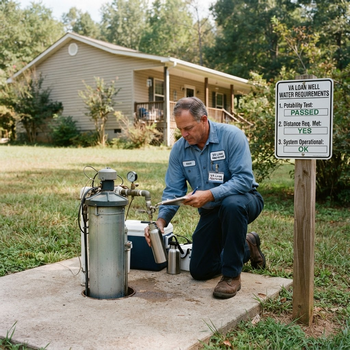 VA loans require that all well water systems meet strict safety and quality standards before loan approval. Properties with unsafe or contaminated wells must be remediated or replaced before closing.
VA Well Water Standards
The VA requires that any property with a private well water system meet federal and state drinking water standards. The well must be tested and certified safe for human consumption. The water supply system must be adequate and properly functioning. Contaminated wells, unsafe water pressure, or insufficient water supply are common issues that must be corrected before a VA loan can close. The VA appraiser will evaluate the well system as part of the property inspection.
Required Well Water Testing
Properties with wells must have water quality testing performed before or during the VA appraisal process. Testing typically includes bacteriological analysis for coliform bacteria and E. coli, which indicate contamination. Chemical testing may also be required based on local water quality issues or soil conditions. A certified lab or county health department must conduct the testing. Results must show that the water is safe for drinking and meets EPA and state standards.
Common water quality tests include:
- Total coliform bacteria screening
- E. coli testing
- Nitrate levels
- pH balance
- Hardness testing
- Radon and uranium screening (in high-risk areas)
Common Well Water Issues
VA appraisers frequently identify well water problems that must be corrected before loan approval. These include bacterial contamination, insufficient water pressure, low water yield, improper well construction, and cross-contamination from septic systems. Any defects must be remediated or the well must be replaced with a new system that meets VA standards.
Bacterial Contamination
If testing shows coliform bacteria or E. coli, the well is unsafe and must be treated or replaced. Treatment may include shock chlorination to disinfect the well, but this is only temporary. If contamination persists after treatment, a new well must be drilled. Buyers cannot occupy the home until the contamination is resolved.
Insufficient Water Supply or Pressure
Wells must provide adequate water flow for household use. The VA requires a minimum water supply capacity. If the well does not produce enough water, it must be deepened, or a new well must be drilled. Water pressure must be adequate for all fixtures and appliances. A pressure tank or pump system may need to be installed or repaired.
Improper Well Construction
Wells must be properly constructed and sealed to prevent contamination. Common construction defects include inadequate casing, poor grouting, or exposure of the wellhead. These issues create pathways for surface water contamination. Repairs typically involve resealing the well or installing proper protective casing.
Cross-Contamination from Septic Systems
Wells must be located at a safe distance from septic systems to prevent cross-contamination. The VA requires a minimum horizontal distance between the well and septic drain field. If the well is too close to the septic system, either the well or septic system must be relocated, or the well must be replaced.
Who Pays for Well Repairs
In most real estate transactions, the seller is responsible for correcting well water defects identified during the VA appraisal. The buyer typically will not accept the property with known water quality or supply issues. However, negotiation between buyer and seller is common. Some buyers may request a credit at closing to pay for repairs themselves, or the parties may agree to split the cost.
Timeline for Well Water Repairs
Well water repairs can extend the closing timeline. Water quality testing takes three to five days for results. If contamination is found, treatment or remediation adds one to two weeks. Drilling a new well can take two to four weeks depending on local soil conditions and contractor availability. Sellers should allow extra time in the contract if well issues are suspected.
Alternative Water Systems
If a well cannot be repaired or replaced, an alternative water supply must be arranged. Some properties may have access to municipal water lines. If municipal water is available, the well can be abandoned and the property connected to the public system. However, this requires local permits and can be expensive. The cost and feasibility of connecting to municipal water must be evaluated before the property can receive VA approval.
Bottom Line
Well water systems on VA loan properties must meet strict safety and quality standards. Testing is required, and any contamination or defects must be corrected before closing. Plan ahead if your property has a well, obtain water quality testing early, and budget for potential repairs. Working with your lender and appraiser helps ensure the well meets VA requirements and your sale stays on track.
Connect With Us
Please share – it really helps