VA Loan Lead-Based Paint Requirement: Repair Rules & Compliance
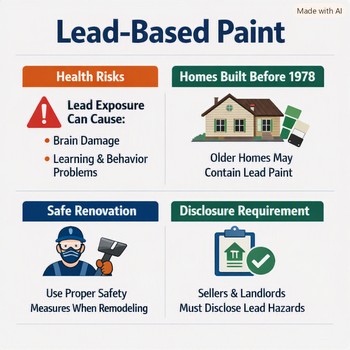
VA loan lead-based paint requirements are one of the most misunderstood aspects of VA appraisals. If you're buying or selling a home built before 1978 with a VA loan, understanding the lead paint requirement is critical. The VA mandates that any defective lead-based paint on pre-1978 properties be repaired before closing. This is a mandatory safety requirement - not a guideline, not optional. Sellers cannot waive this repair, and the loan cannot close until all defective lead-based paint is remediated and certified by the VA appraiser. This comprehensive guide explains the VA lead-based paint requirement in detail, including what qualifies as defective paint, approved repair methods, and the appraiser certification process.
What Is the VA Lead-Based Paint Requirement?
The VA lead-based paint requirement applies to all homes built before January 1, 1978. The VA assumes that any property constructed before this date contains lead-based paint. Under VA property standards, if a VA appraiser identifies defective lead-based paint during the appraisal inspection, it must be remediated before the loan can close. Defective paint includes any paint that is cracking, scaling, peeling, chipping, or loose. This is a health and safety requirement based on the risk of lead ingestion, especially for children. The requirement cannot be waived, and sellers cannot request an exception based on cost or economic feasibility.
What Qualifies as Defective Lead-Based Paint Under VA Standards?
Defective lead-based paint is defined as paint in a condition that presents a health hazard. Specifically, the VA considers the following conditions defective:
- Cracking: Paint that has formed cracks or spider-web patterns on the surface.
- Scaling: Paint that is peeling off in large or small flakes.
- Peeling: Paint that is lifting away from the substrate.
- Chipping: Paint that has chipped away, exposing the substrate underneath.
- Loose Paint: Paint that is not firmly adhered to the surface.
The VA appraiser will inspect all painted surfaces during the appraisal, including windows, doors, baseboards, trim, exterior walls, railings, and any other painted surfaces. Even small areas of defective paint must be addressed. Common problem areas include window frames and sills (where condensation and wear accelerate paint failure), doors and door frames, exterior trim and fascia, interior and exterior railings, and basement or crawl space surfaces. The appraiser must document all defective paint found and will not certify the property until repairs are completed and reinspected.
Pre-1978 vs. 1978 or Later: How the Year Matters
The year 1978 is the cutoff date for VA lead-based paint requirements. Homes built on or after January 1, 1978 are not subject to the VA lead-based paint requirement. The federal government banned lead-based paint in residential properties effective January 1, 1978, so any home built after this date is presumed to be lead-free. If defective paint appears on a 1978-or-later home, it is considered a cosmetic issue and does not need to be repaired for VA loan approval. However, the property must still meet other VA appraisal standards for safety and structural integrity. If you're unsure of a home's build year, the VA appraiser will confirm the construction date during the appraisal process.
Two VA-Approved Methods for Repairing Defective Lead-Based Paint
The VA accepts two methods for remediating defective lead-based paint. Both methods are equally valid; the choice depends on the condition of the underlying surface and the preference of the contractor.
Method 1: Surface Cleaning and Repainting
This method involves thorough preparation and repainting. The surface must be cleaned to remove all cracking, scaling, peeling, chipping, and loose paint. Cleaning methods may include washing, scraping, wire brushing, or sanding - whatever is necessary to remove all defective paint and prepare the surface properly. Once cleaned, the surface must be repainted with a minimum of two coats of suitable non-leaded paint. This method works best when the underlying surface is in good condition and can support repainting. It is typically less disruptive than full removal and is often the most cost-effective option for surfaces with isolated areas of defective paint.
Method 2: Surface Removal or Covering
This method is used when the underlying surface is damaged or when the paint cannot be adequately cleaned. The defective surface can be completely removed, or it can be covered with a suitable material such as gypsum wallboard, plywood, plaster, vinyl siding, or other approved materials before repainting. This method ensures that any remaining lead-based paint is fully encapsulated and poses no health risk. This approach is preferred when the substrate (wood, drywall, etc.) is degraded and cannot be properly restored through cleaning alone.
The VA Appraiser Certification Process
All lead-based paint repairs must be certified by the VA-assigned appraiser. After the seller completes repairs, the loan officer must notify the appraisal company, and the appraiser will conduct a reinspection of the property. During the reinspection, the appraiser will verify that all defective paint has been removed or covered, that repainting has been completed with non-leaded paint, and that the work meets VA standards. The appraiser will document the repairs and certify that the property complies with VA requirements. The loan cannot proceed to closing until the appraiser has issued this certification. If repairs are incomplete or do not meet standards, the appraiser will reject the property, and additional work will be required.
Timeline and Cost Considerations for Lead Paint Remediation
Lead-based paint repairs can extend the closing timeline. Sellers should budget for repair costs and allow adequate time for work to be completed and appraiser certification. In most cases, repairs take one to two weeks if qualified contractors are available, but this varies based on the extent of defective paint, contractor availability, and weather conditions (if exterior repairs are involved). Before listing a property to VA buyers, sellers should obtain quotes from qualified contractors to understand repair costs. For pre-1978 homes, budgeting $1,000 to $5,000 for remediation is reasonable, though complex repairs can cost more. Discuss timelines with your real estate agent and loan officer to ensure repairs can be completed without jeopardizing the closing date.
Common Questions About VA Lead-Based Paint Requirements
Can a seller refuse to repair lead-based paint on a VA loan?
No. Defective lead-based paint is not optional. The seller cannot refuse to repair it, and the lender cannot approve the loan without appraiser certification of repairs. This is a mandatory requirement under VA lending guidelines and cannot be waived regardless of cost or circumstance.
Does the buyer's VA entitlement cover lead paint repairs?
No. The VA does not fund or reimburse lead paint repairs. The seller is responsible for all remediation costs. These costs cannot be passed to the buyer, and the lender cannot allow the buyer to finance the repairs as part of the mortgage.
What if lead paint is found during the VA inspection but not during appraisal?
The VA appraiser is responsible for identifying defective lead-based paint during the appraisal. If defective paint is discovered by a separate home inspector hired by the buyer, the buyer can negotiate with the seller for repairs, but the VA requirement is based on the appraiser's inspection. The property cannot close without the appraiser's certification of repairs.
Can you use lead-safe work practices to stay in the home during repairs?
This is a question best discussed with the contractor and EPA-certified lead remediation specialist. While lead-safe work practices minimize dust and contamination, the property must still meet VA standards. The appraiser will reinspect regardless of work practices used.
Are there any exceptions to the lead-based paint requirement?
No. There are no exceptions to the VA lead-based paint requirement for pre-1978 homes. If defective paint is identified, it must be repaired. The only exception is that homes built in 1978 or later are not subject to the requirement at all.
Protecting Yourself as a Buyer or Seller
If you're buying with a VA loan, include a lead paint contingency in your offer. Request that the seller provide documentation of any known lead paint issues and agree on repair responsibility upfront. If you're selling to a VA buyer, have a pre-appraisal inspection to identify defective paint before the formal appraisal. This gives you time to budget for and complete repairs without delaying closing. Work with your real estate agent and loan officer to ensure timelines align.
Related VA Appraisal Requirements
Lead-based paint is just one of several property standards the VA enforces. Buyers and sellers should also understand VA inspection requirements, including standards for well water quality, septic system functionality, mold remediation, and foundation integrity. Each of these can affect loan approval, so understanding the full scope of VA property standards is essential.
Bottom Line: VA Lead-Based Paint Requirement
If your pre-1978 home has defective lead-based paint, it must be repaired before a VA loan closes. This is a mandatory safety requirement that cannot be waived. Plan ahead, get repair quotes early, budget for the cost, and ensure all work is completed and certified by the VA appraiser. Understanding this requirement helps buyers and sellers navigate VA transactions smoothly and avoid last-minute delays. For more information on VA loan requirements, explore our VA calculators and comprehensive VA loan articles.
Connect With Us
Please share – it really helps