VA Foundation Inspection: Crack Requirements and Appraisal Standards
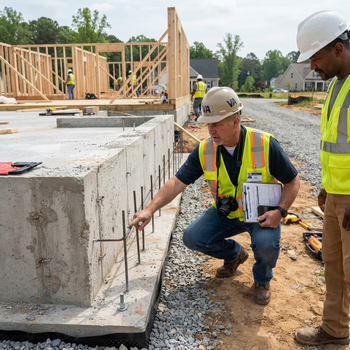 VA foundation inspection is a critical part of the appraisal process for VA home loans. Foundation cracks and structural defects are treated as serious issues that can delay or derail loan approval. The VA requires all properties to meet foundation standards that protect borrowers from purchasing homes with structural problems. Understanding what constitutes a foundation defect, when cracks require repair, and how VA inspection requirements apply to foundation issues will help you navigate the appraisal process successfully.
VA Foundation Requirements and Standards
The VA requires that all properties have a sound foundation free from structural defects that threaten safety or habitability. Cracks in the foundation are treated as structural issues that must be investigated and repaired if they indicate foundation movement, settling, or water intrusion. The VA appraiser will visually inspect the foundation for cracks, evidence of settling, moisture problems, and signs of instability. Any significant cracks will result in an appraisal condition requiring professional inspection and repair before the loan can close.
VA foundation standards are part of the broader VA appraisal requirements designed to ensure the property is safe and structurally sound. The appraiser's goal is to identify defects early so they can be corrected before the buyer takes ownership. Foundation issues are among the most expensive repairs, so the VA takes a conservative approach: when in doubt, require professional evaluation.
Types of Foundation Cracks: VA Appraisal Standards
Not all foundation cracks are serious, but VA appraisers distinguish between cosmetic cracks and structural defects. Understanding the difference helps you know what to expect during the VA appraisal and what repairs may be required.
What Are Hairline Cracks in a Foundation?
Hairline cracks are thin vertical cracks less than one-eighth inch wide. These are normal in concrete foundations as they cure and settle over time. Hairline cracks result from the concrete curing process and minor settling and do not indicate structural movement. They do not allow water infiltration and are typically not a concern for VA loans. The VA appraiser typically does not flag hairline cracks as defects requiring repair.
Are Horizontal Foundation Cracks a Problem for VA Loans?
Horizontal cracks run parallel to the ground and indicate lateral pressure from soil, water, or structural movement. Horizontal cracks are serious and suggest the foundation is being pushed inward by external forces. These cracks require immediate professional evaluation by a structural engineer. Horizontal cracks typically indicate the need for foundation repair or bracing and must be corrected before VA loan approval. If your property has horizontal cracks, expect the VA appraiser to require a structural engineer inspection before the appraisal can be finalized.
What Do Stair-Step and Diagonal Cracks Indicate?
Stair-step cracks follow the mortar lines in brick or stone foundations and often indicate foundation settling. Diagonal cracks that angle across the foundation surface also indicate settling or movement. These patterns suggest the foundation is moving or settling unevenly. A structural engineer must evaluate whether the settling is stable or ongoing and recommend repairs if needed. The VA appraiser will likely require professional evaluation if these crack patterns are visible.
What Is Foundation Separation from Frame?
If the foundation has separated from the framing above, it indicates movement and structural stress. Gaps between the foundation and frame are visible signs of foundation problems. This condition requires professional evaluation and repair before VA approval. Foundation separation is a serious structural defect that will definitely trigger an appraisal condition and require corrective action.
Water Intrusion and Moisture Problems
Cracks can allow water to enter the foundation, leading to moisture problems, mold growth, and structural deterioration. The VA appraiser will look for signs of water staining, efflorescence (white salt deposits), or wet spots on interior basement or crawlspace walls. Evidence of water coming through foundation cracks is a serious concern and indicates the cracks must be sealed and the moisture source must be addressed. Repairs may include waterproofing the exterior, installing interior drainage systems, or sealing the cracks themselves.
Structural Engineer Inspection for VA Loans
If the VA appraiser observes horizontal cracks, significant settling, or other concerning crack patterns, a structural engineer inspection will be required. A licensed structural engineer evaluates the foundation, determines whether the cracks indicate ongoing movement or stable settling, and recommends repairs. The engineer's report is critical to the VA appraisal process and determines whether the property can be approved or must be repaired.
A structural engineer inspection typically costs $400 to $1,000 depending on the property size and complexity. The inspection takes one to three days. The engineer provides a written report with photographs and repair recommendations. This report must be submitted to the VA appraiser and lender before a final appraisal decision can be made.
Foundation Crack Repair Options and Costs
Foundation repairs depend on the crack type and severity. The VA requires that repairs be completed by licensed contractors and certified before the appraisal is finalized. Understanding your repair options helps you budget for costs and plan your timeline.
Concrete Sealing and Caulking
Minor cracks can be sealed using concrete caulk or polyurethane sealant applied into the crack. This prevents water infiltration and dust accumulation. Sealing is relatively inexpensive, ranging from $100 to $500 for most residential properties, and can be completed in a day or two. However, sealing alone does not address underlying structural movement. If the engineer recommends sealing only, the VA will typically accept it if the cracks are stable and not widening.
Epoxy Injection for Foundation Cracks
Epoxy injection involves pumping epoxy resin into cracks under pressure. The epoxy binds the concrete and seals the crack. Epoxy injection works for dormant cracks that are not actively moving. Cost ranges from $500 to $2,000 depending on crack length and accessibility. This method is effective for stabilizing existing cracks but does not prevent new cracks from forming if structural stress continues. The VA will typically accept epoxy injection as a permanent repair solution for stable cracks.
Foundation Repair and Bracing
Significant horizontal cracks or evidence of active settling may require foundation repair or bracing. This involves installing steel beams, carbon fiber straps, wall anchors, or helical piers to stabilize the foundation. Foundation repair is expensive, ranging from $5,000 to $30,000 or more depending on the extent of damage. Repairs take several weeks and must be completed by licensed foundation contractors. The VA appraiser must re-inspect and certify that repairs meet standards before final approval.
Are Foundation Cracks Active or Stable?
The structural engineer will assess whether foundation cracks are active (growing) or stable (dormant). Active cracks indicate ongoing movement and typically require more extensive repairs. Stable cracks that have not changed in size for years may only require sealing. The engineer may use crack monitors or take photographs to establish a baseline for comparison. This assessment is important for determining the scope and cost of repairs and whether the VA will approve the property.
Foundation Repair Costs and Timeline
Foundation crack repairs range from a few hundred dollars for sealing to $30,000 or more for complete foundation repair. Simple sealing can be completed in one to two days. Epoxy injection takes a few days. Major foundation repairs can take two to four weeks. The appraiser must re-inspect after repairs to certify that work meets VA standards. Budget significant time and money if your property has cracks requiring structural engineering evaluation.
Who Pays for Foundation Repairs in a VA Loan Transaction
In most VA transactions, the seller is responsible for correcting foundation defects identified during the appraisal. Buyers typically will not proceed if foundation repairs are needed. However, negotiation is possible. Some buyers may request a credit at closing to handle repairs, or the parties may agree to share costs. If the seller refuses to make repairs, the buyer must either walk away or negotiate a price reduction to cover future repair costs.
Impact of Foundation Issues on VA Loan Approval and Property Value
Foundation issues are among the most serious problems affecting VA loan approval. Significant foundation damage can cause the appraisal to fail entirely if the engineer determines the damage is severe. Even if the property passes appraisal with repairs required, the cost of repairs reduces the value of the deal. If foundation repairs cost more than five to ten percent of the purchase price, most buyers reconsider the purchase.
Foundation problems also affect resale value. Properties with a history of foundation repair are harder to sell and may require additional inspections or repairs in the future. Check the property's history for foundation issues before making an offer.
Preventing Foundation Problems: Early Detection and Inspection
Get a professional home inspection before making an offer. An inspector can identify foundation cracks and recommend a structural engineer evaluation before you commit to the purchase. Early detection helps you negotiate repair costs into the offer rather than discovering problems during the VA appraisal. A professional home inspection costs $300 to $500 but can save you thousands in unexpected repairs.
If you're concerned about foundation issues, ask the seller for disclosure of any prior foundation repairs or structural work. Review the property's history and any warranties that may apply. Some properties have foundation warranties that transfer to new owners and can provide valuable protection.
Foundation Cracks and Your VA Loan: Key Takeaways
Foundation cracks are a serious concern for VA loan appraisals and require careful evaluation. Hairline vertical cracks are typically cosmetic and do not require repair. Horizontal cracks, stair-step patterns, and cracks with water intrusion require structural engineering evaluation and repair. Get a structural engineer inspection early if your property has visible foundation cracks. Work with your lender and the engineer to determine the scope of repairs and ensure all work meets VA standards before closing. Understanding foundation requirements helps you avoid costly surprises and make informed decisions about your purchase. For more information on VA appraisal standards, review our complete VA inspection requirements guide or check your debt-to-income ratio to ensure you qualify for your loan amount.
Connect With Us
Please share – it really helps