VA Loan Mold Requirements: Remediation and Repairs
 VA loan mold requirements mandate that all active mold be remediated before loan approval. The VA views significant mold growth as a health hazard that must be removed or the sale cannot close. Understanding these requirements is critical for buyers and sellers navigating a VA-financed transaction.
VA Mold Requirements
The VA treats mold as a serious health hazard that threatens occupant safety. Any active mold growth identified during the VA appraisal must be remediated before the loan can close. The VA appraiser will visually inspect the property for signs of mold during the appraisal process. Common areas checked include the attic, basement, crawlspace, under sinks, around windows and doors, and any areas showing signs of water intrusion or moisture. Mold cannot be waived or left unaddressed. The property will fail the appraisal if active mold is present.
How VA Appraisers Detect Mold
VA appraisers are trained to identify signs of mold and moisture problems. They will look for visible mold growth, water stains, discoloration, musty odors, and evidence of past water intrusion. The appraiser will check attics and crawlspaces for moisture, ventilation problems, and active mold. They will inspect ceilings for roof leaks, areas around windows and doors for water damage, and under-sink areas for plumbing leaks. The appraiser will also evaluate basement or crawlspace conditions for standing water or dampness that could lead to mold growth.
Common areas where mold is found include:
- Attic spaces with poor ventilation or roof leaks
- Basements or crawlspaces with moisture or standing water
- Bathrooms with inadequate ventilation
- Under sinks or near plumbing leaks
- Around windows and doors with water intrusion
- HVAC ducts and air handlers exposed to moisture
- Finished basement walls or carpet with water damage
What Causes Mold in Homes
Mold grows in moist environments. Common causes include roof leaks, plumbing leaks, poor ventilation, humidity, foundation cracks allowing water infiltration, and inadequate grading that allows water to pool near the home. Homes with histories of water damage or flooding are at higher risk. Properties in humid climates or with poor drainage systems around the foundation are also prone to mold. Addressing the source of moisture is essential before mold can be permanently remediated.
Types of Mold Remediation
Mold remediation depends on the extent of the infestation and whether the underlying cause can be fixed. For limited mold in accessible areas, remediation is relatively simple and low-cost. For extensive mold affecting structural materials, the process can be invasive and expensive.
Simple Remediation
If mold is limited to a small accessible area such as a bathroom wall, window frame, or basement corner, remediation may be straightforward. The affected area is cleaned with mold-killing solutions. Any porous materials showing mold are removed and replaced. New paint or sealant is applied to prevent future mold growth. If the underlying moisture source is fixed, such as repairing a roof leak or improving ventilation, the mold is unlikely to return. Simple remediation typically takes one to three days and costs a few hundred to a few thousand dollars.
Extensive Remediation
If mold has affected large areas or is growing on structural materials like wood framing or insulation, remediation becomes more complex. Affected drywall, insulation, and structural components may need to be removed and replaced. This requires opening walls and ceilings, which is invasive and time-consuming. A mold remediation specialist must oversee the work to ensure all mold is removed. After remediation, the area must be rebuilt and sealed. Extensive remediation can take two to four weeks and cost several thousand dollars.
Moisture Source Must Be Corrected
VA appraisers and mold remediation specialists understand that mold will return if the source of moisture is not addressed. Therefore, repairs to fix the underlying moisture problem must be completed alongside or before mold remediation. Common moisture corrections include repairing roof leaks, fixing plumbing leaks, improving attic or basement ventilation, installing proper drainage around the foundation, applying waterproof sealant to basement walls, or regrading the yard to direct water away from the home. Without fixing the moisture source, any mold remediation is temporary and will fail the VA appraisal.
Professional Mold Remediation
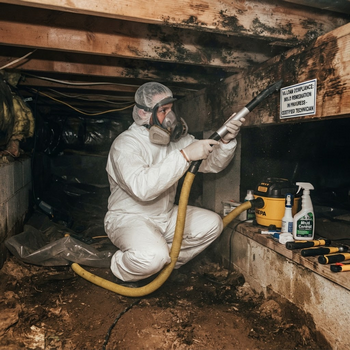
Significant mold infestations should be handled by a professional mold remediation company, not a general contractor. Mold remediation specialists have training in containment, protective equipment, and safe removal methods. They can identify hidden mold within walls and structural systems. A professional remediation company will provide documentation and certification that the work has been completed to industry standards. This documentation is important for passing the VA appraisal re-inspection.
Mold Testing
The VA appraiser does not require mold testing to identify mold. Visual inspection is sufficient. However, if there is uncertainty about whether mold is present or if the extent of mold growth is unclear, mold testing can be performed. Professional mold testing involves taking samples of air or surfaces and sending them to a lab for analysis. Testing can confirm the presence of mold and identify the type. However, testing adds cost and time to the process. In most cases, if visible mold is present, remediation is ordered without additional testing.
Who Pays for Mold Remediation
In most transactions, the seller is responsible for correcting mold defects identified during the VA appraisal. Buyers typically will not proceed with a purchase if active mold is present. However, negotiation is possible. Some buyers may request a credit at closing to hire their own remediation contractor, or the parties may agree to split costs. The specific arrangement depends on local market conditions, the extent of mold, and the seller's willingness to make repairs.
Timeline for Mold Remediation
Mold remediation timelines vary based on the extent of the problem. Minor mold in a small area may be remediated in one to three days. Moderate mold affecting multiple areas may take one to two weeks. Extensive mold requiring structural repairs and rebuilding can take three to four weeks or longer. The appraiser must re-inspect the property after remediation is complete to certify that the mold has been properly removed and the moisture source has been corrected. Allow extra time in the contract closing date if mold is identified.
Preventing Future Mold Growth
After mold remediation, homeowners should take steps to prevent recurrence. Maintain good ventilation in bathrooms, kitchens, basements, and attics. Keep humidity levels below 50 percent using dehumidifiers if needed. Fix any roof or plumbing leaks promptly. Ensure gutters are clean and direct water away from the home. Ensure proper grading around the foundation to prevent water pooling. Use exhaust fans in bathrooms and kitchens. Insulate cold water pipes to prevent condensation. Regular home maintenance helps prevent the moisture conditions that allow mold to grow.
Frequently Asked Questions About VA Mold Requirements
Does a VA appraisal always fail if mold is found?
Yes. If a VA appraiser identifies active mold growth during the appraisal, the property will fail the appraisal. The VA considers mold a health hazard, and the loan cannot close until the mold has been remediated and the appraiser has re-inspected the property to confirm the work is complete.
Can I just paint over mold to pass a VA appraisal?
No. Painting over mold does not address the underlying problem and is not an acceptable remediation method. The VA requires that the mold be removed and the moisture source corrected. A VA appraiser will likely notice signs of painted-over mold, such as discoloration or peeling, and will require proper remediation.
How much does VA mold remediation cost?
The cost of mold remediation varies widely depending on the extent of the infestation and the materials affected. Simple remediation in a small area can cost a few hundred to a few thousand dollars. Extensive remediation involving structural repairs can cost several thousand dollars or more. It is best to get quotes from licensed mold remediation professionals.
Who is responsible for paying for mold remediation on a VA loan?
In most VA transactions, the seller is responsible for correcting mold defects identified during the appraisal. However, this is negotiable. Buyers and sellers can agree to split costs, or the buyer may request a credit at closing to handle the remediation themselves. The specific arrangement depends on the terms of the purchase agreement.
How long does VA mold remediation take?
Timelines depend on the severity of the mold problem. Minor mold might be remediated in one to three days. Moderate mold affecting multiple areas may take one to two weeks. Extensive mold requiring structural repairs can take three to four weeks or longer. Remember to allow time for the appraiser to re-inspect after the work is complete.
Bottom Line
Mold is a health hazard that the VA takes seriously. Any active mold identified during the VA appraisal must be remediated before closing. Fixing the underlying moisture source is essential to prevent mold from returning. Budget for mold remediation costs if your property shows signs of moisture problems or past water damage. Work with a professional mold remediation company and your lender to ensure all work meets VA standards and the property passes the final appraisal inspection.
Connect With Us
Please share – it really helps