VA Septic Tank Requirements: Complete Guide for 2026
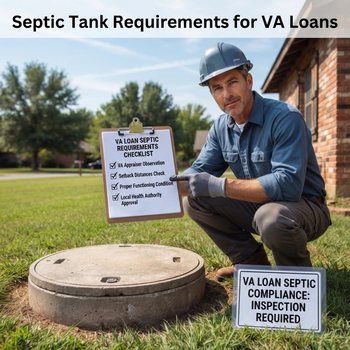 VA septic tank requirements are a critical part of the VA loan appraisal process. VA loans require that septic systems be in good working order, properly sized for the home, and compliant with local health department standards. Any failing, damaged, or improperly maintained septic systems must be repaired or replaced before loan approval. Understanding these requirements helps buyers, sellers, and real estate agents navigate the VA loan process smoothly.
VA Septic System Standards
The VA requires that all septic systems meet local health department standards and be functioning properly. The system must be adequate to serve the dwelling and properly maintain public health and safety. The septic tank, drain field, and all related components must be in good condition. Evidence of system failure, such as sewage backing up into the home or surfacing in the yard, will result in loan disapproval until repairs are made. The VA appraiser will visually inspect the septic system and may recommend a professional septic inspection if defects are suspected.
Septic System Inspection Requirements
During the VA appraisal, the inspector will look for signs of septic system failure or defects. The appraiser will check that the septic tank location is properly marked or identified. The drain field area should not show signs of surfacing sewage, wet spots, or unusual vegetation. If visible defects are observed, the VA will require a professional septic inspection by a licensed septic contractor or inspector. The inspection must verify that the system is functioning properly and is adequately sized for the home.
The professional septic inspection typically includes:
- Visual inspection of the septic tank and drain field
- Verification of system age and design specifications
- Assessment of tank condition and sludge accumulation
- Evaluation of drain field percolation and soil conditions
- Check for system backups, clogs, or failures
- Verification that the system is properly pumped and maintained
Common Septic System Defects
VA appraisers frequently identify septic system problems that must be corrected before loan approval. These include failing drain fields, cracked or damaged tanks, improper system sizing, and lack of proper maintenance. Any defects must be remediated or the system must be replaced.
Failing or Saturated Drain Fields
A failing drain field allows sewage to surface in the yard or back up into the home. This occurs when the soil cannot absorb effluent or the system is oversaturated. Repair typically requires replacing the drain field, which involves excavation and installation of new drain lines. This is one of the most expensive septic repairs and can take several weeks to complete.
Cracked or Damaged Septic Tank
A cracked or damaged tank allows effluent to leak into the soil and contaminate groundwater. It also allows soil and roots to enter the tank. If the tank is cracked or severely damaged, replacement is required. Tank replacement costs several thousand dollars and typically takes one to two weeks.
Improperly Sized Systems
A septic system must be properly sized to handle the wastewater volume generated by the home. If the home has been significantly expanded or the number of bedrooms has increased, the original system may be undersized. An undersized system will back up or fail. Correction requires installing an additional tank or drain field, or replacing the entire system.
Lack of Proper Maintenance
Septic systems require regular pumping every three to five years to prevent sludge accumulation. If a system has not been pumped regularly, the tank may be full and the drain field may be failing. Pumping the tank and allowing time for the system to recover may resolve the issue. However, if the drain field is already damaged from years of neglect, more extensive repairs will be needed.
Location and Setback Issues
Septic systems must be located at proper distances from wells, property lines, and surface water. Local regulations specify minimum setback distances. If the system is too close to a well, it creates contamination risk. If it violates local setbacks, the system may need to be relocated or replaced.
Distance Requirements Between Wells and Septic Systems
The VA requires adequate separation between well water systems and septic drain fields to prevent cross-contamination. The minimum horizontal distance typically ranges from 50 to 100 feet, depending on local health department regulations and soil conditions. If a well and septic system are closer than required, either the well must be relocated, the septic system must be relocated, or the well must be abandoned and the property connected to municipal water. For more details on water supply requirements, see our guide to VA well water requirements.
Who Pays for Septic Repairs
In most transactions, the seller is responsible for correcting septic defects identified during the VA appraisal. Buyers typically will not accept a property with a failing or defective septic system. However, negotiation is possible. Some buyers may request a credit at closing to handle repairs, or the parties may agree to split costs. The specific arrangement depends on local market conditions and the extent of repairs needed. For a broader overview of seller responsibilities, see VA loan closing costs paid by seller.
Timeline for Septic Repairs
Septic repairs can significantly extend closing timelines. A professional septic inspection takes one to three days. Repairs range from simple pumping (one day) to drain field replacement (two to four weeks). Tank replacement typically takes one to two weeks. Sellers should build extra time into the contract if septic issues are likely or known. To understand how this fits into the broader loan process, see our guide on how long it takes to get a VA loan.
Septic System Maintenance
Proper maintenance helps prevent costly repairs. Homeowners should pump their septic tank every three to five years, depending on tank size and household usage. Avoid flushing non-biodegradable items, excessive grease, or harsh chemicals. Do not park vehicles or build structures over the tank or drain field. Regular maintenance and care extend the system's lifespan and help it pass VA appraisal requirements.
VA Septic Tank Requirements FAQ
What are the VA septic tank requirements for a VA loan?
VA loans require septic systems to be in good working order, properly sized for the home, and meet local health department standards. The tank, drain field, and all components must be functioning without signs of failure or contamination.
Does the VA require a septic inspection?
The VA appraiser will visually inspect the septic system during the appraisal. If defects are suspected, the VA will require a professional septic inspection by a licensed contractor to verify the system is functioning properly.
Who pays for septic repairs on a VA loan?
In most VA loan transactions, the seller is responsible for correcting septic defects identified during the VA appraisal. However, buyers and sellers can negotiate credits or cost-sharing depending on market conditions.
How long do septic repairs take for a VA loan?
Timelines vary by repair type. Pumping takes one day, tank replacement takes one to two weeks, and drain field replacement can take two to four weeks. These repairs can extend closing timelines significantly.
What is the required distance between a well and septic system for a VA loan?
The VA requires adequate separation between well water systems and septic drain fields. Minimum horizontal distance typically ranges from 50 to 100 feet, depending on local health department regulations and soil conditions.
Bottom Line
Septic systems on VA loan properties must be in good working order and properly sized for the home. Have a professional septic inspection performed early if the property has a septic system. Address any identified defects before listing or closing. Working with your lender and appraiser ensures the septic system meets VA requirements and your sale proceeds smoothly. For related property requirements, see our guides on VA loan inspection requirements and foundation cracks.
Connect With Us
Please share – it really helps